


State and local governments are under unprecedented pressure. Citizens expect fast, seamless, and personalized digital services, similar to what they experience with banks, retailers, and private enterprises. Yet public agencies often struggle with workforce shortages, fragmented systems, and growing service demands.
Artificial intelligence is emerging as a powerful answer to this challenge. In particular, AI-powered agents are helping governments transform how they deliver services, making interactions faster, smarter, and more citizen-centric.
According to a recent research, 75% of citizens expect government digital services to match private sector experiences, and 90% are willing to use AI agents to navigate government processes.
This shift signals a new era in public service delivery, one where AI doesn’t replace human workers but empowers them to do more.
The Service Delivery Gap Governments Must Close
Many public agencies operate within constraints that limit their ability to scale services effectively:
- Limited staff managing growing citizen requests
- Manual, repetitive administrative processes
- Disconnected legacy systems creating fragmented experiences
- Increasing expectations for digital-first, real-time services
The result is slower response times, operational inefficiencies, and citizen frustration.
AI-powered agents help bridge this gap by acting as intelligent digital assistants. These agents can handle routine tasks while enabling human teams to focus on complex, high-value work. AI can act as a “force multiplier, helping teams do more with less.”
What Are AI-Powered Agents in Government?
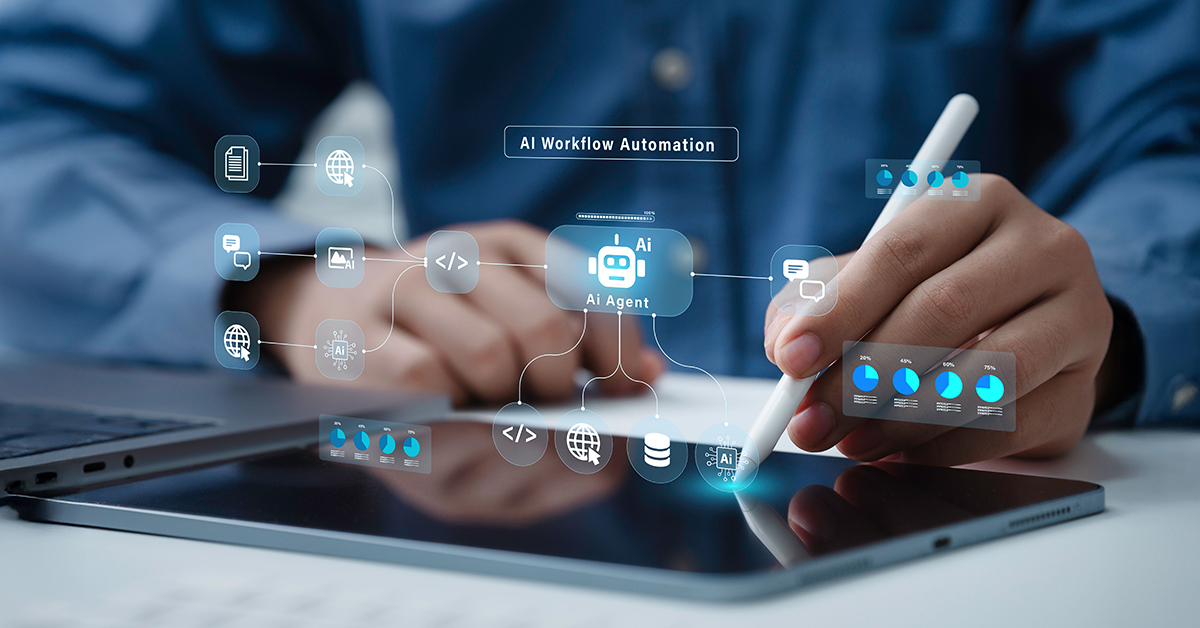
AI-powered agents are intelligent, autonomous software assistants that can:
- Answer citizen questions instantly
- Guide users through applications and service requests
- Automate workflows and approvals
- Provide real-time service updates
- Assist internal staff with operational tasks
Unlike traditional chatbots, modern AI agents use advanced technologies such as:
- Natural language processing
- Machine learning
- Context-aware automation
- Predictive analytics
This allows them to continuously learn, improve, and deliver increasingly personalized service experiences.
.jpg)
Where AI Agents Deliver Immediate Impact
AI-powered agents can support nearly every function of state and local governments. Key use cases include:
1. Digital Front Door for Citizen Services
AI agents can assist citizens in:
- Applying for benefits
- Checking application status
- Renewing permits
- Accessing public programs
This reduces wait times while improving accessibility and transparency.
2. Workforce and HR Support
Public employees benefit from faster internal services, including:
- Automated onboarding assistance
- Benefits inquiries
- Payroll support
- HR request automation
This improves employee productivity and operational efficiency.
3. Education and Student Services
Educational institutions can use AI agents to:
- Answer student and parent queries
- Provide admissions guidance
- Deliver technical support
This enables staff to focus on student engagement and outcomes.
4. IT Service Management
AI agents help IT teams by:
- Resolving common technical issues
- Managing service requests
- Supporting helpdesk operations
This improves response speed and reduces operational burden.
5. Emergency and Public Safety Communication
During crises, AI agents provide:
- Real-time alerts
- Service updates
- Emergency guidance
This ensures faster, more coordinated public response.
Enabling Faster Transformation Without Heavy Development
One of the biggest advantages of modern AI agents is accessibility. Platforms now provide:
- Low-code implementation
- Pre-built templates
- Seamless integration with existing systems
- Scalable cloud infrastructure
This allows agencies to rapidly deploy AI solutions without needing large AI teams or deep technical expertise.
AI agents can also integrate with existing government data systems to enable:
- Predictive service delivery
- Automated prioritization
- Personalized citizen experiences
Over time, these systems continuously improve based on interactions and data.
The Future of Public Services Is AI-Augmented, Not AI-Replaced
AI agents are not replacing public servants. Instead, they enhance their ability to deliver meaningful impact.
By automating repetitive tasks, AI enables government employees to focus on:
- Solving complex citizen issues
- Improving service programs
- Strengthening community relationships
- Driving innovation
As AI adoption grows, these intelligent systems will become foundational to modern public sector operations.
How CSM Tech Is Helping Governments Build AI-Powered Service Ecosystems
Across the globe, forward-thinking governments are already exploring AI-powered service delivery models.
At CSM Tech, we work with public sector organizations to design and implement intelligent, AI-driven platforms that enhance citizen engagement, automate workflows, and modernize service delivery.
Our expertise includes:
- AI-enabled citizen service portals
- Autonomous workflow automation
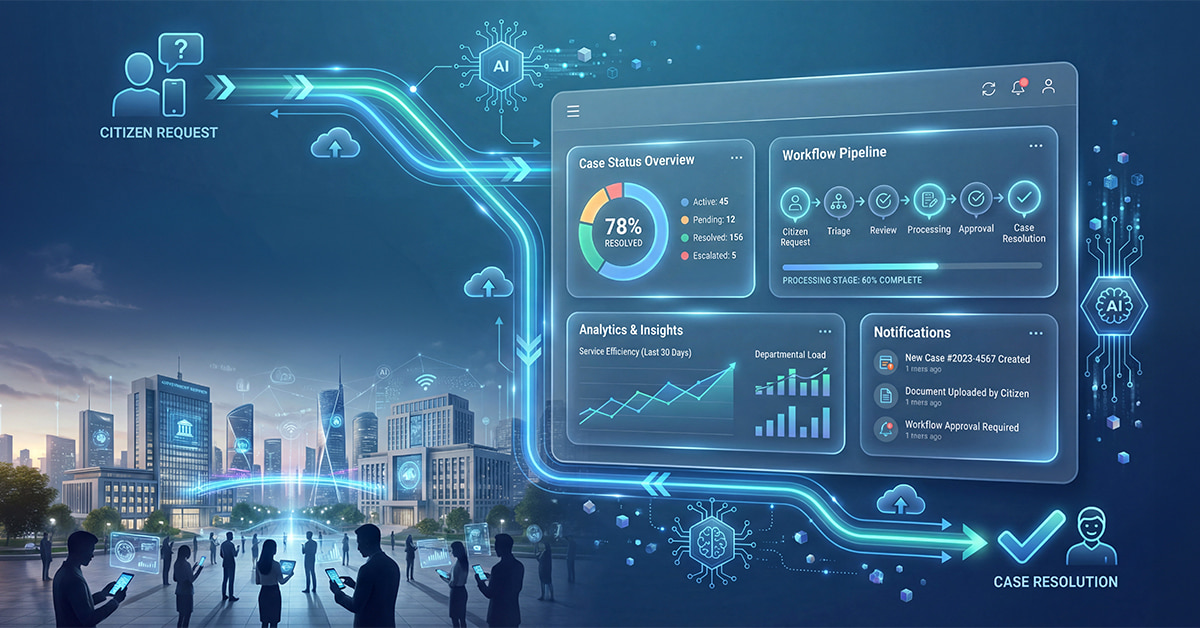
- Intelligent case management systems
- Cloud-based digital governance platforms
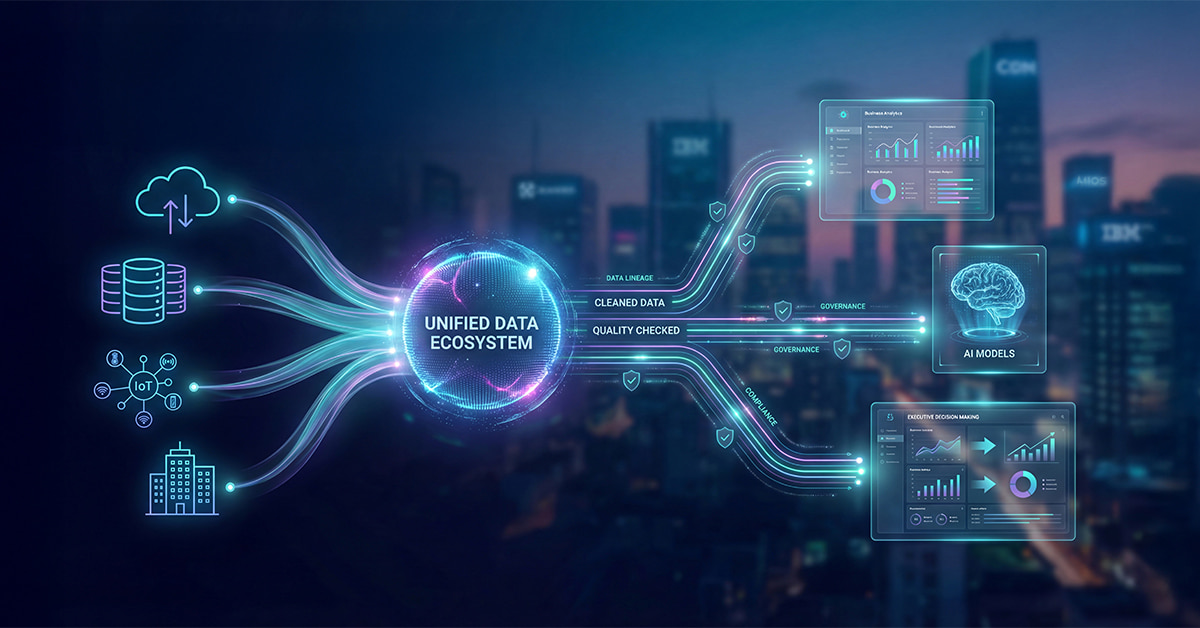
- Integrated data and analytics ecosystems
By combining AI, automation, and scalable cloud technologies, we help agencies create future-ready digital service environments.
A New Standard for Public Service Delivery
The future of public service delivery will be defined by speed, accessibility, and intelligence.
AI-powered agents are no longer experimental—they are becoming essential tools for governments seeking to deliver better services with limited resources.
For agencies across the globe, adopting AI is not just about modernization. It’s about building more responsive, efficient, and citizen-centric governments.
Organizations that embrace this shift today will define the next generation of public service.

Want to start a project?
Get your Free ConsultationOur Recent Blog Posts

































































































© 2026 CSM Tech Americas All Rights Reserved