











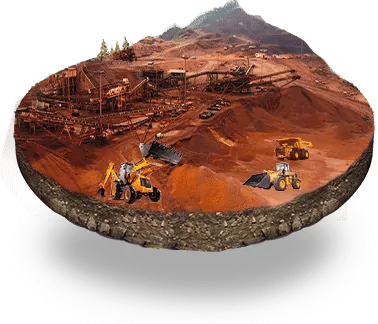








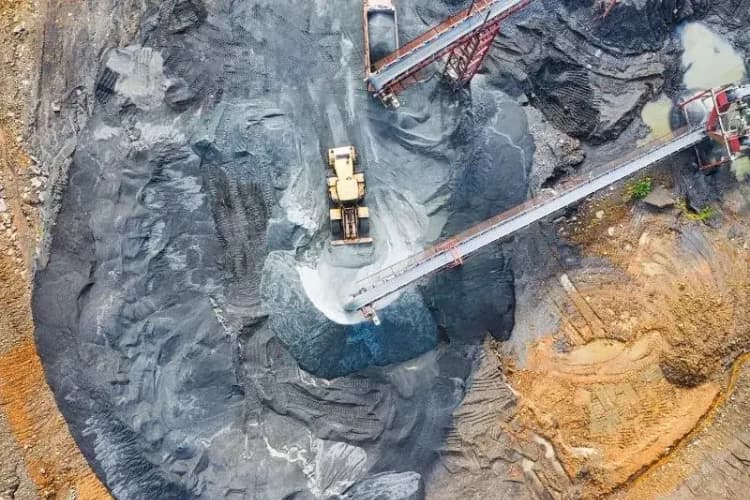
Mining administration has long relied on fragmented systems, manual processes and retrospective reporting. Data-driven transportation management enables proactive, intelligent governance.
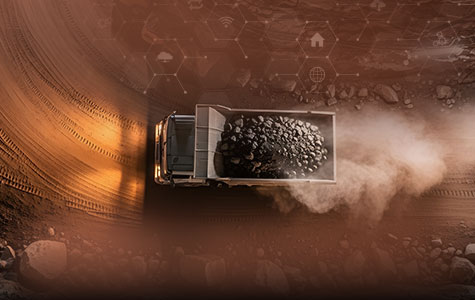
Powered by AI, IoT and real-time analytics, mining is shifting from reactive to predictive, with every vehicle, route and checkpoint generating actionable intelligence. According to Nokia, transportation digitalization can lift productivity by nearly 20%.
From Pit-to-Port: The New Digital Nerve System
Modern mining transportation is about moving information faster than material.
- Real-time fleet visibility through IoT and GPS.
- AI route optimization cutting congestion, delays and fuel use.
- Predictive maintenance that flags failures early.
- Digital twins simulating and optimizing operations continuously.
Safety: Where Data Saves Lives
- Mining remains among the world's most hazardous industries. McKinsey notes that ICMM member companies recorded 42 fatalities and over 6,400 injuries in 2024.
- Collision avoidance and proximity detection using machine learning.
- Weigh-in-Motion overload detection.
- Real-time dashboards for ground stability, air quality and equipment health.
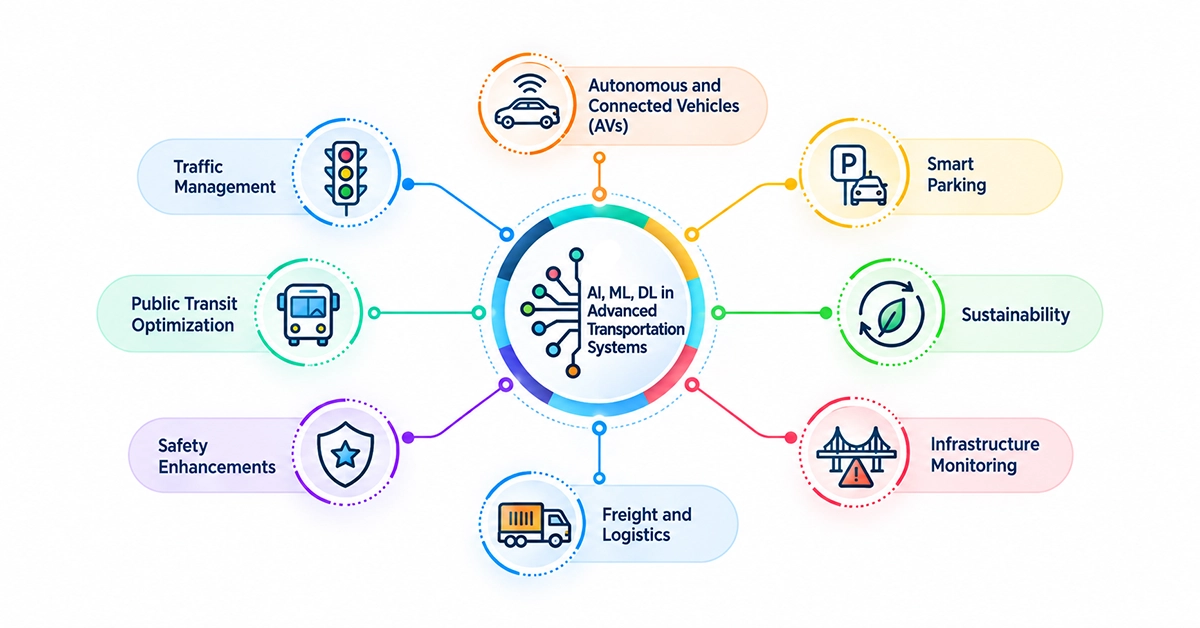
Governed, Revenue-Protected Transportation
Every unchecked vehicle, delayed permit or disconnected checkpoint risks revenue loss. An end-to-end digital governance platform can digitize licensing, dispatch, transit monitoring, weighbridge operations and destination verification, delivering real-time governance instead of retrospective enforcement. Smart checkgates and automated revenue assurance curb leakages while giving regulators transparency.
The Road Ahead
The future belongs to the connected mine, where AI predicts disruptions and fleets self-coordinate.
Call to Action
Organizations must treat transportation as a strategic intelligence engine. The next frontier of mining is not underground. It is in the data.


Recent Publications


- Agriculture and Allied Services
- AgriTech
- Application Development
- Artificial Intelligence
- Blockchain
- COVID-19
- CSM Editorial
- Data Analytics
- Digital service
- Digital Transformation
- Education
- EduTech
- Emerging Technologies
- Enterprise Resource Planning
- Food Security
- Golden Records
- GovTech Solution
- Green Jobs
- Healthcare
- HR Analytics
- Hybrid Work Culture
- Independence Thought
- Industry 4.0
- Innovation
- IT Consulting
- Land & Industry
- Life@CSM
- Memory Lane
- Mines & Minerals
- Mining Technology
- Opinion Piece
- Precision Agriculture
- Smart City
- Social Listening
- Social Media
- Social Registry
- Super Apps
- Tourism
- User Experience
- Web 3.0
- Work Culture














We will verify and publish your comment soon.