
















Emerging markets have often faced a difficult choice: buy expensive, closed-loop Western platforms or build fragile systems from scratch. India created a third path: open, low-cost, population-scale digital public infrastructure (DPI) that others can build upon. Today, the Global South is embracing that model.
Already, 24 countries have signed MoUs to adopt India Stack components, with nations such as Kenya, Cuba, Colombia, UAE, and the Philippines leading local adaptations. This is not aid diplomacy. It is infrastructure diplomacy.
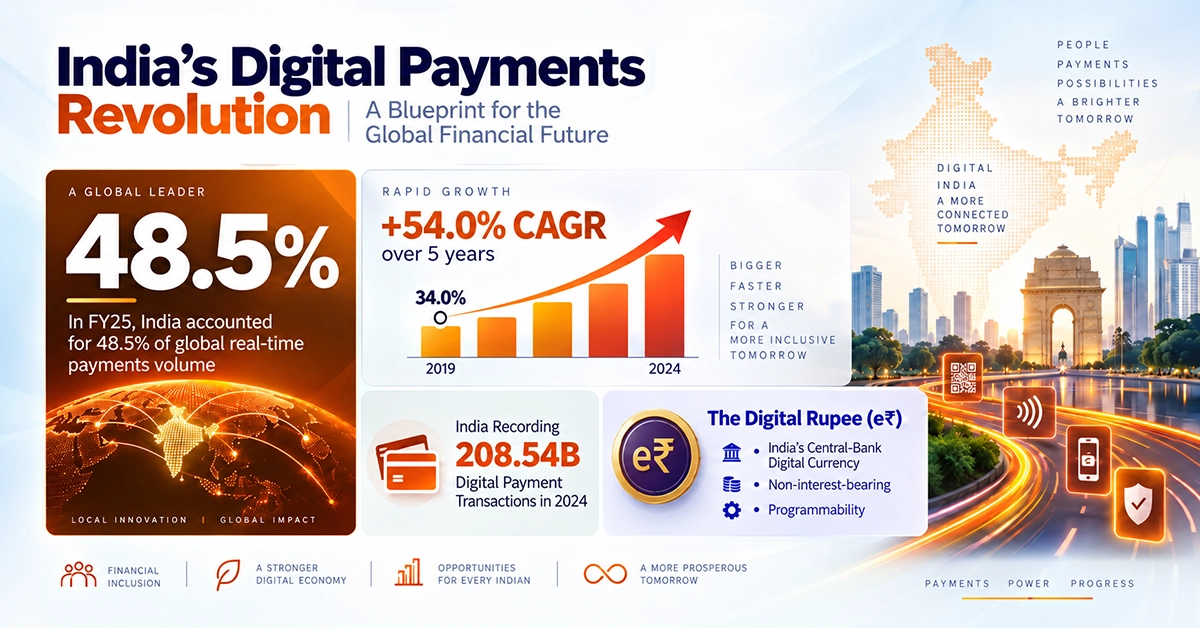
The appeal lies in a model built for scale, diversity, and affordability. India’s DPI uses open APIs, open-source architecture, and modular building blocks, avoiding costly proprietary systems. UPI alone processes over 18 billion transactions a month at near-zero cost to users.
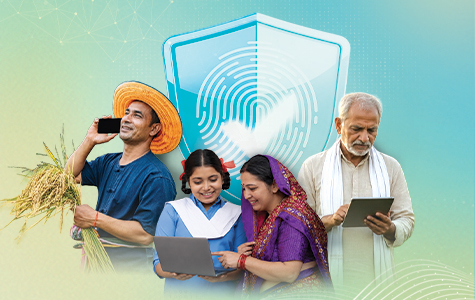
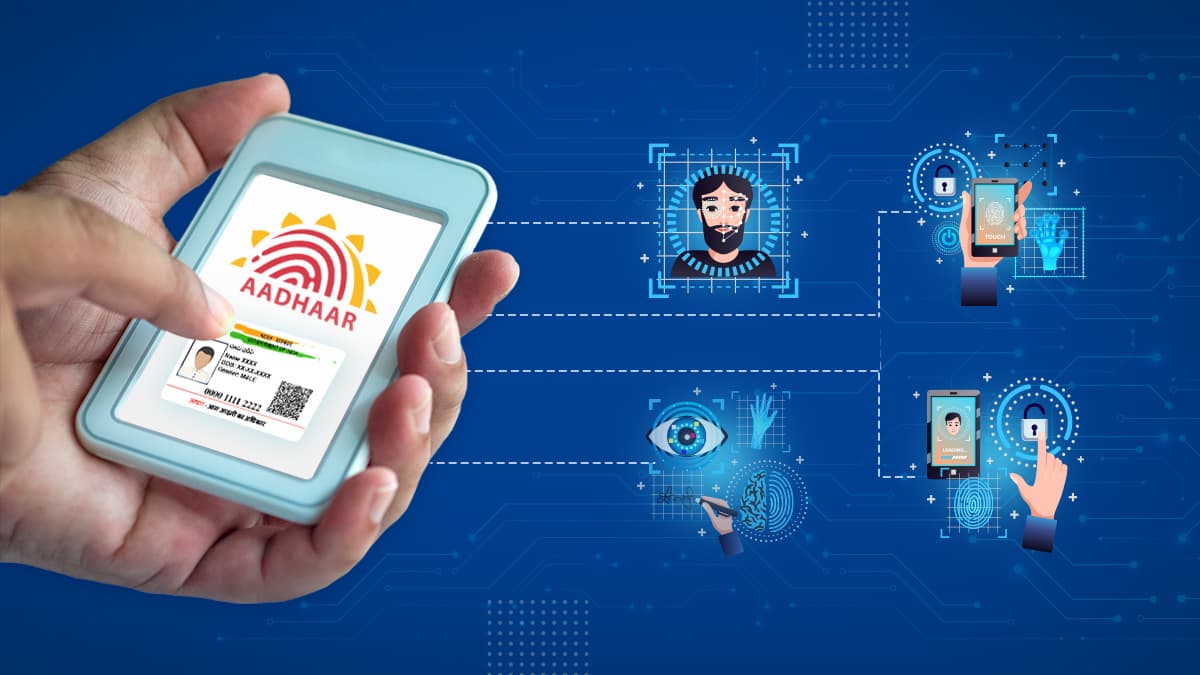
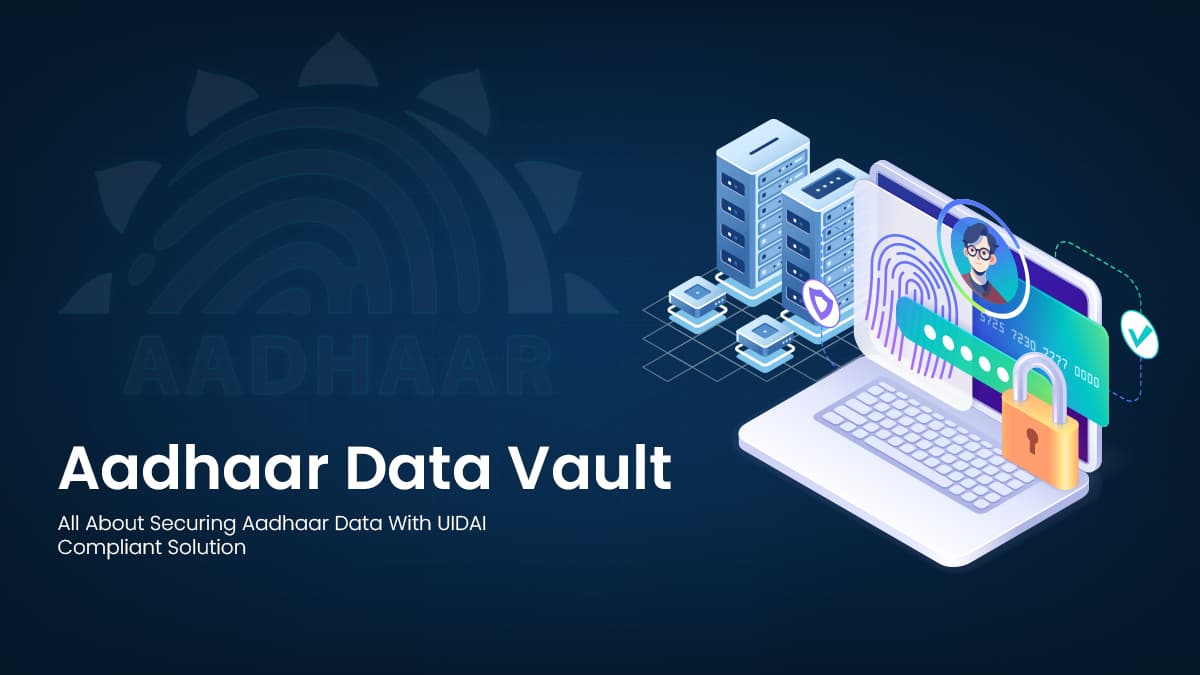
The foundation is the JAM trinity: Jan Dhan (530 million+ bank accounts), Aadhaar (1.42 billion+ IDs issued), and Mobile (1.15 billion subscribers). Together, they have enabled direct, transparent service delivery. India’s DBT system has transferred more than Rs 44 lakh crore directly to beneficiaries while saving Rs 3.48 lakh crore by curbing leakages.
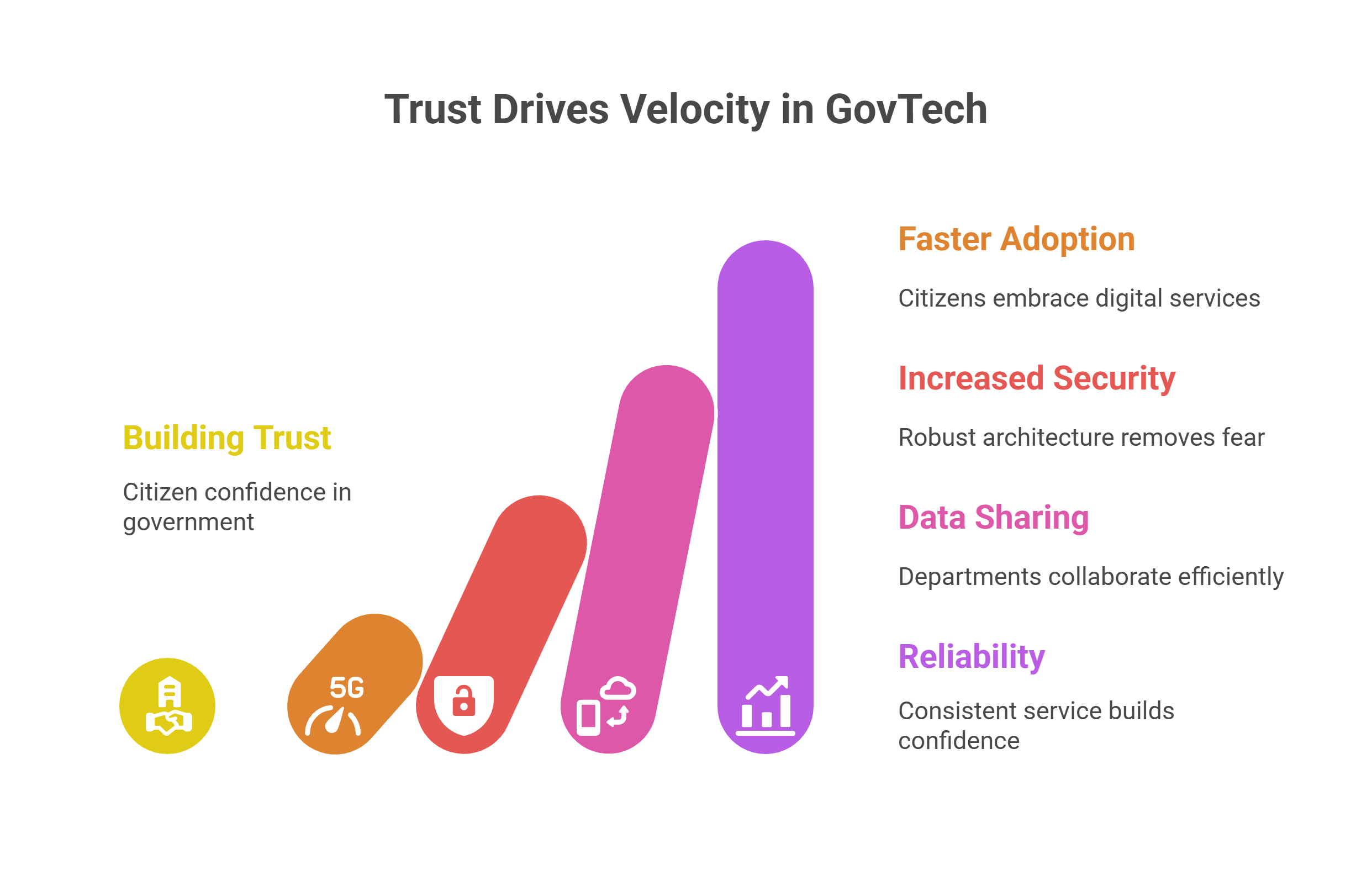
Equally important is the philosophy: public rails, private innovation. Like roads, government builds the infrastructure while businesses compete on top of it. Countries also gain digital sovereignty by hosting data locally and defining their own rules.
The world is not buying technology alone. It is buying a model that delivers inclusion at scale. India built for conditions where trust, connectivity, and resources are limited. Increasingly, the world is asking for that blueprint.


Recent Publications

- Agriculture and Allied Services
- AgriTech
- Application Development
- Artificial Intelligence
- Blockchain
- COVID-19
- CSM Editorial
- Data Analytics
- Digital service
- Digital Transformation
- Education
- EduTech
- Emerging Technologies
- Enterprise Resource Planning
- Food Security
- Golden Records
- GovTech Solution
- Green Jobs
- Healthcare
- HR Analytics
- Hybrid Work Culture
- Independence Thought
- Industry 4.0
- Innovation
- IT Consulting
- Land & Industry
- Life@CSM
- Memory Lane
- Mines & Minerals
- Mining Technology
- Opinion Piece
- Precision Agriculture
- Smart City
- Social Listening
- Social Media
- Social Registry
- Super Apps
- Tourism
- User Experience
- Web 3.0
- Work Culture










We will verify and publish your comment soon.