


<p>Rwanda's digital education ecosystem rests on a coherent set of national policies, institutional commitments, and targeted technology investments. The government's twelve-year basic education programme has brought primary net enrolment above 97 percent; the challenge now is quality, equity, and relevance. National platforms such as eSoma and eKool deliver curriculum-aligned content in both English and Kinyarwanda, online and offline, ensuring that connectivity constraints do not exclude learners in rural and off-grid communities. </p><p>The Rwanda Education Board (REB), the Rwanda Coding Academy, and the Smart Education Master Plan collectively form the institutional backbone of the country's EdTech strategy. Over 80,000 teachers have received ICT training, more than 500,000 devices have been distributed to schools, and the Rwanda School Education Network (RSEN) is connecting over 1,500 institutions to reliable broadband. Public-private partnerships with telecom operators, device manufacturers, and local EdTech startups are extending the system's reach and accelerating content localization. </p><p>The global EdTech market, valued at approximately USD 163 billion in 2024, is projected to reach USD 348 billion by 2030 (Grand View Research, 2024). Rwanda is positioning itself deliberately within that trajectory, not simply to adopt technology but to build an education system that uses it to close persistent gaps in access, skills, and learning outcomes. AI-driven adaptive learning, data analytics dashboards, and mobile-first delivery models are being tested and scaled in parallel with investments in teacher development and digital literacy. </p><p>This whitepaper serves as a substantive reference for policymakers, education leaders, development partners, and EdTech practitioners seeking to understand Rwanda's approach to educational digital transformation, what it has achieved, where the gaps remain, and how the evidence from comparable global systems informs the road ahead.</p><p> </p><p> </p><p> </p>
DownloadRecent Publications
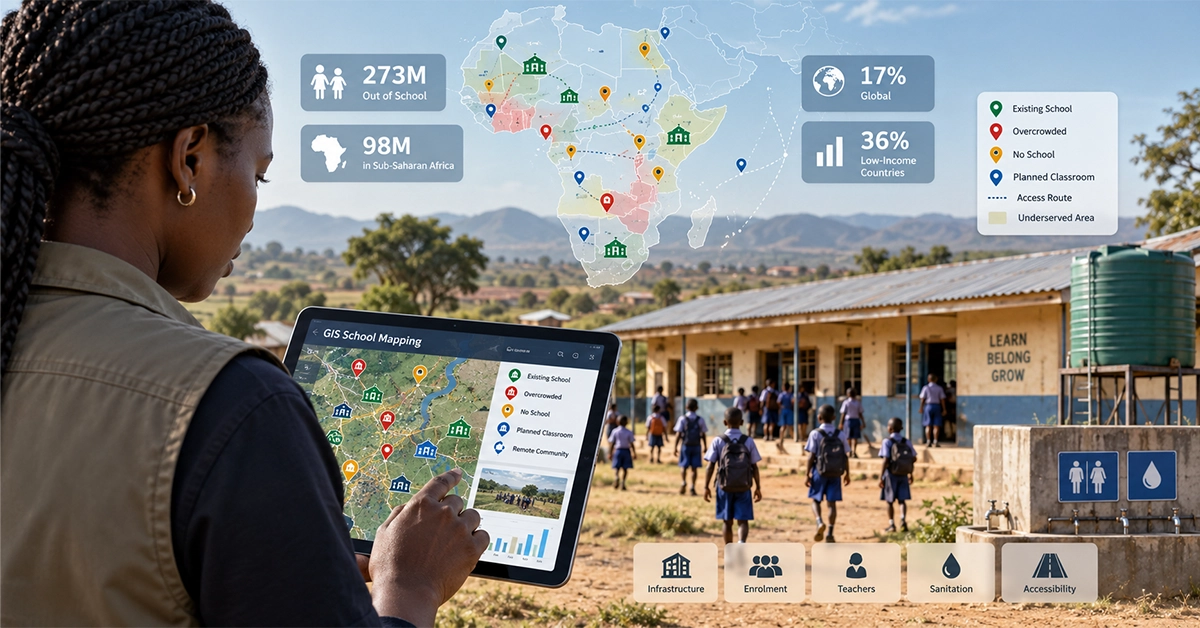




Recent White Papers you may like to explore
View All
Building a Secure Digital Space: Digital Personal Data Protection
A practical guide to India's DPDP Act and data protection ...

Data Protection in India
A practical guide to India's evolving data protection regime, privacy ...

Drone Technology
Exploring how UAVs modernize governance, infrastructure, and service delivery through ...

Facial Recognition
Examining facial recognition as a secure, scalable biometric technology for ...
Generative AI
Exploring how human–AI collaboration is redefining creativity, productivity, and inclusive ...

Modernizing Cooperative Management in East Africa
The cooperative movement in East Africa has shown remarkable growth.

