










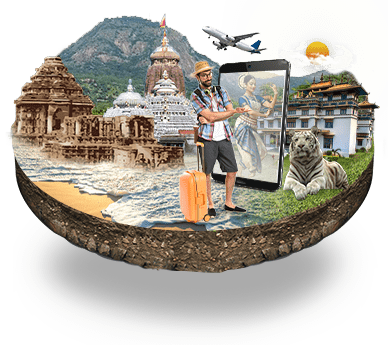







Imagine this: You are standing at the gates of a millennium-old temple, smartphone in hand, and instead of jostling through an overwhelming crowd, your device gently suggests visiting in 90 minutes when footfall drops by 40%. Meanwhile, an AI assistant curates your evening itinerary based on your Instagram likes, budget constraints, and the weather forecast. This isn't a scene from imagination, it's Smart Tourism 2.0, and India is rapidly building the digital infrastructure to make it reality.
India’s tourism sector is entering a new era - one shaped by Data, AI, and Digital Experience Platforms (DXP) that are redefining how destinations operate, engage, and deliver value.
.jpg)
From Static Brochures to Intelligent Travel Ecosystems
For years, India’s tourism strategy revolved around portals, guides, and linear itineraries. But today’s traveler jumps between platforms like a digital nomad, discovering on Instagram, researching on YouTube, checking maps on the go, and booking through apps. The journey is nonlinear, fluid, and deeply personal.
Yet behind this user behavior lies a fragmented system: disparate ticketing platforms, standalone tourism portals, siloed analytics, and minimal interoperability.
Smart Tourism 2.0 fixes this by building a single, intelligent tourism fabric, powered by Data, AI, AR/VR, and unified experience platforms such as NDTM (National Digital Tourism Mission). Think of it as the “Digital Public Infrastructure (DPI) of Tourism,” where every attraction, service, and transaction speaks the same language.
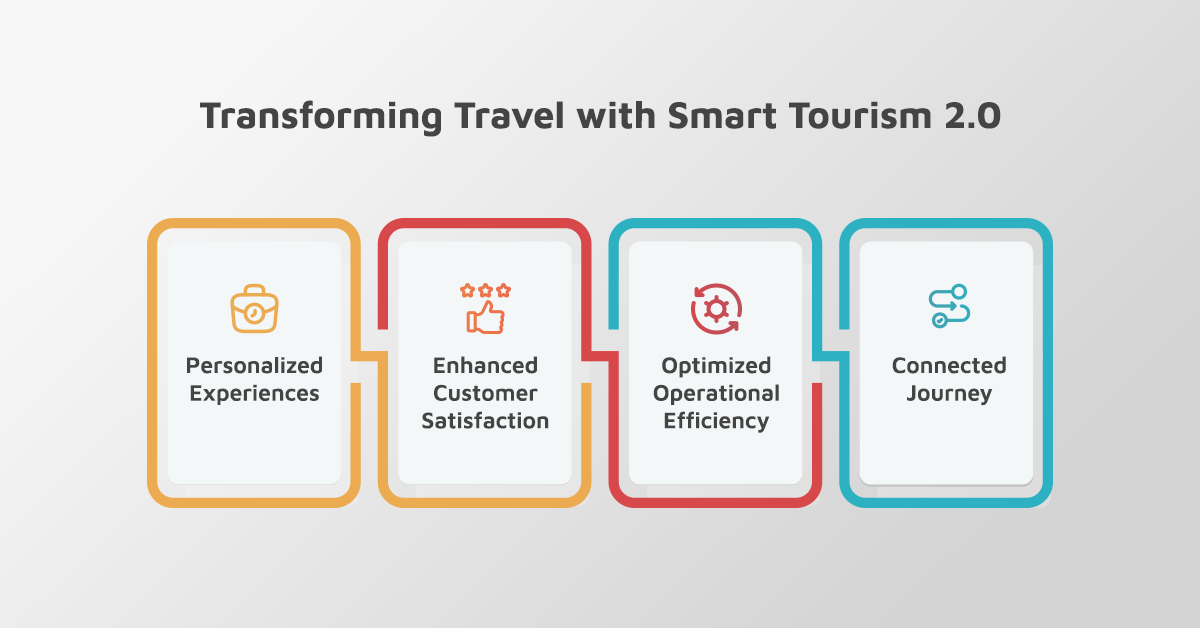
The Digital Trinity: Data + AI + DXP
Smart Tourism 2.0 works on a powerful triad:
1. Data as the Foundation
Every click, query, booking, footfall, and review becomes structured intelligence. Integrated systems merge datasets from portals, kiosks, payment gateways, and IoT sensors to visualize visitor flow, dwell time, and engagement patterns.
2. AI as the Decision Engine
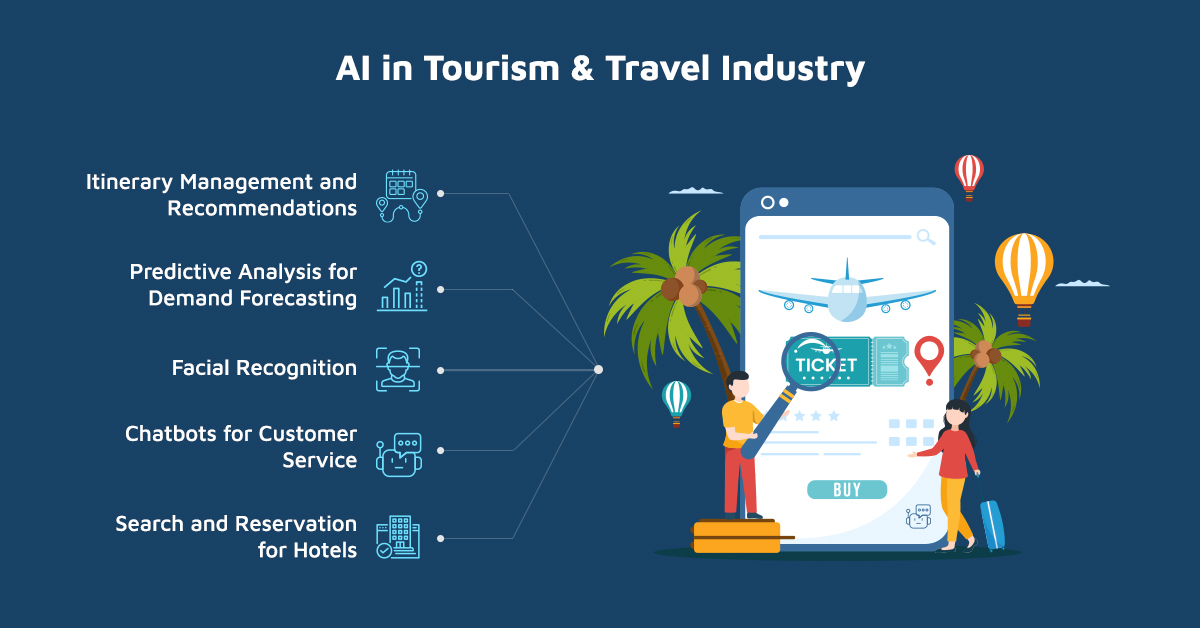
AI models:
- Predict crowd surges at pilgrimage sites
- Generate personalized itineraries
- Assist with dynamic pricing for seasonality
- Recommend hyper-local experiences
- Optimize resource usage (water, energy, staffing)
It shifts decision-making from what happened to what will happen next.
3. Digital Experience Platforms (DXP) as the Experience Layer
DXPs like Adobe Experience Manager or Liferay turn content, personalization, and analytics into a seamless digital experience - multi-language content, real-time offers, unified passes, and contextual storytelling.
Together, they convert tourism boards from information hosts into experience creators.
What Smart Tourism Looks Like in Action
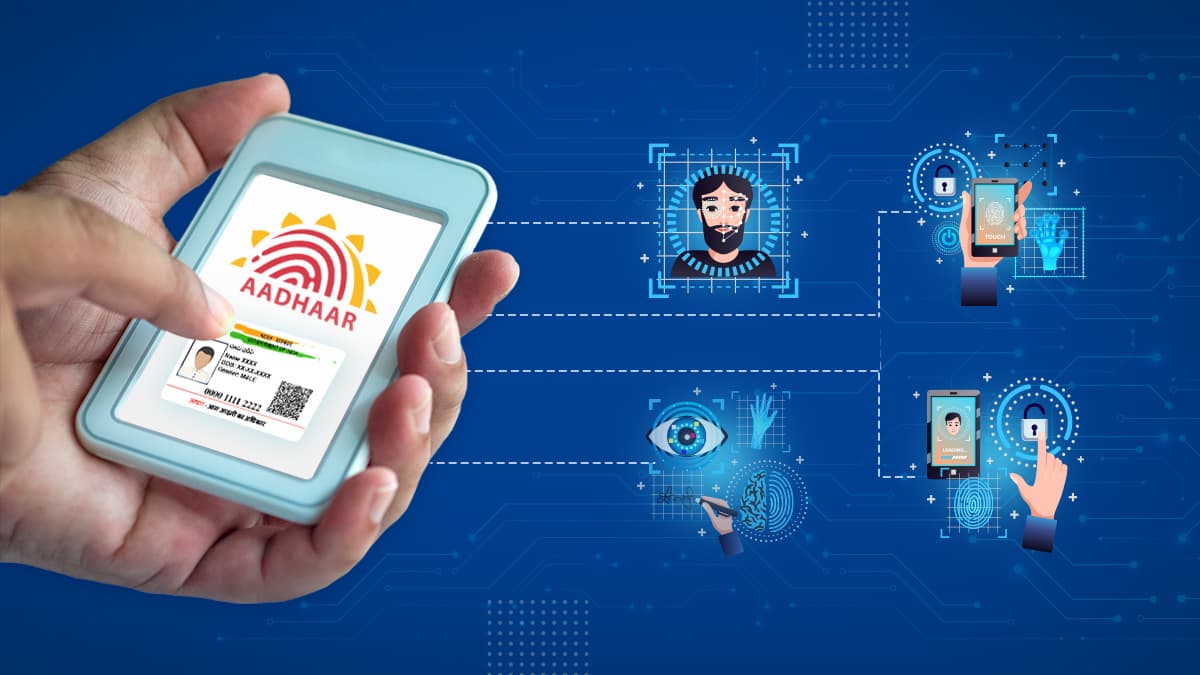
DigiYatra: A contactless airport entry system where you walk through security, and your face is the boarding pass.
Smart Airports: Rajiv Gandhi International Airport uses video analytics to manage queues and reduce wait times - an efficiency upgrade passengers can literally feel.
Kerala’s SMART Model: Sentiment-driven personalization + predictive analytics + automated chatbots = an AI-powered marketing engine inspiring targeted, real-time travel experiences.
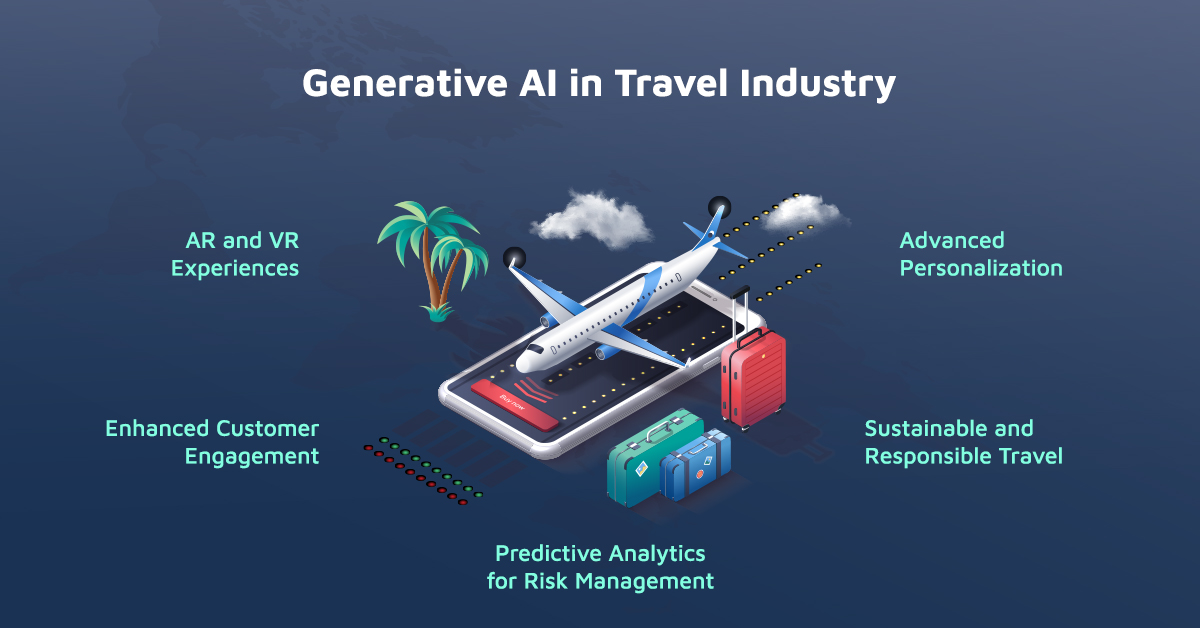
AR/VR Tourism: Virtual darshans of Kailash Mansarovar, AR overlays for heritage sites, and immersive previews for senior citizens or international travelers.
Unified Digital Tourism Platforms
The Government of India’s National Digital Tourism Mission (NDTM) envisions a seamless interface where booking, passes, payments, guides, navigation, and feedback live in one ecosystem.
India is building not just a digital platform but an intelligent tourism stack.
Reimagining the Tourism Value Chain
A fully integrated Smart Tourism Platform stacks every layer:
- Discovery through personalized feeds
- Booking via unified passes
- Navigation through AI-assisted maps
- Experience via AR/VR and real-time guides
- Feedback analyzed instantly
- Governance through dashboards tracking footfall, revenue, congestion, sentiment, and sustainability metrics
This transforms India’s tourism from reactive administration to predictive governance.
And in a $250 billion tourism economy forecasted for 2030, that’s not just an advantage, it’s a necessity.
The Critical Lens: What We Must Watch For
Smart Tourism is powerful, but not infallible.
- AI must not replace human empathy.
- Data privacy must be treated as sacred.
- Hyper-digital systems must support offline users.
- Sustainability must remain a priority not an afterthought.
- Technology should enhance India’s soul, not overshadow it.
How CSM Technologies Powers Smart Tourism Transformation
At CSM Technologies, we are reimagining how destinations deliver value in a fast-evolving, experience-led tourism economy. Our Smart Tourism solutions form the digital backbone for modern destinations, bringing together visitors, service providers, and government agencies into one intelligent ecosystem.
Our Smart Tourism Platform integrates AI, IoT, and big data to deliver immersive, mobile-first experiences through DXPs. From high-impact tourism portals to personalized content journeys, we enable tourism boards to attract, engage, and retain travelers at scale.
Our Unified Tourism Pass System transforms fragmented city experiences into seamless journeys. With one digital pass, visitors access multiple attractions, events, and transport services, while administrators gain real-time governance dashboards, footfall insights, crowd-flow management, and transparent revenue monitoring.
Complementing this is CSM’s Stakeholder Aggregator Platform, a powerful enabler for local economies. It authenticates, accredits, and integrates hotels, tour operators, guides, transport providers, and influencers - boosting visibility, enabling digital onboarding, simplifying license renewals, and creating new business streams for SMEs.
Together, these platforms deliver four critical wins: richer visitor experiences, stronger local economies, data-driven governance, and sustainable tourism development. Through modular, scalable architectures, CSM Technologies empowers destinations to evolve into truly smart, inclusive, and future-ready tourism ecosystems.
The Road Ahead: India’s Tourism, Reimagined
India’s Smart Tourism 2.0 will be defined by:
- AI-powered personalization
- Sustainable crowd and resource management
- Unified tourism architectures
- Immersive cultural storytelling
In this future, destinations won’t just be visited, they will be experienced, understood, and remembered.
Call to Action: Let’s Build Tourism That’s Memorable and Measurable
The next leap for India’s tourism lies in connecting the dots between data, design, and decisions.
If you are a government body, tourism board, or enterprise ready to modernize your visitor experience, the moment is now.
At CSM Technologies, we help build Smart Tourism Platforms that learn, adapt, and elevate destinations.
The journey to Smart Tourism 2.0 begins today - let’s build it, intelligently.


Recent Publications
- Agriculture and Allied Services
- AgriTech
- Application Development
- Artificial Intelligence
- Blockchain
- COVID-19
- CSM Editorial
- Data Analytics
- Digital service
- Digital Transformation
- Education
- EduTech
- Emerging Technologies
- Enterprise Resource Planning
- Food Security
- Golden Records
- GovTech Solution
- Green Jobs
- Healthcare
- HR Analytics
- Hybrid Work Culture
- Independence Thought
- Industry 4.0
- Innovation
- IT Consulting
- Land & Industry
- Life@CSM
- Memory Lane
- Mines & Minerals
- Mining Technology
- Opinion Piece
- Precision Agriculture
- Smart City
- Social Listening
- Social Media
- Social Registry
- Super Apps
- Tourism
- User Experience
- Web 3.0
- Work Culture













We will verify and publish your comment soon.