










Inclusion has long been framed as a policy. A program. A metric. But what if inclusion is not something we implement, but something we build together?
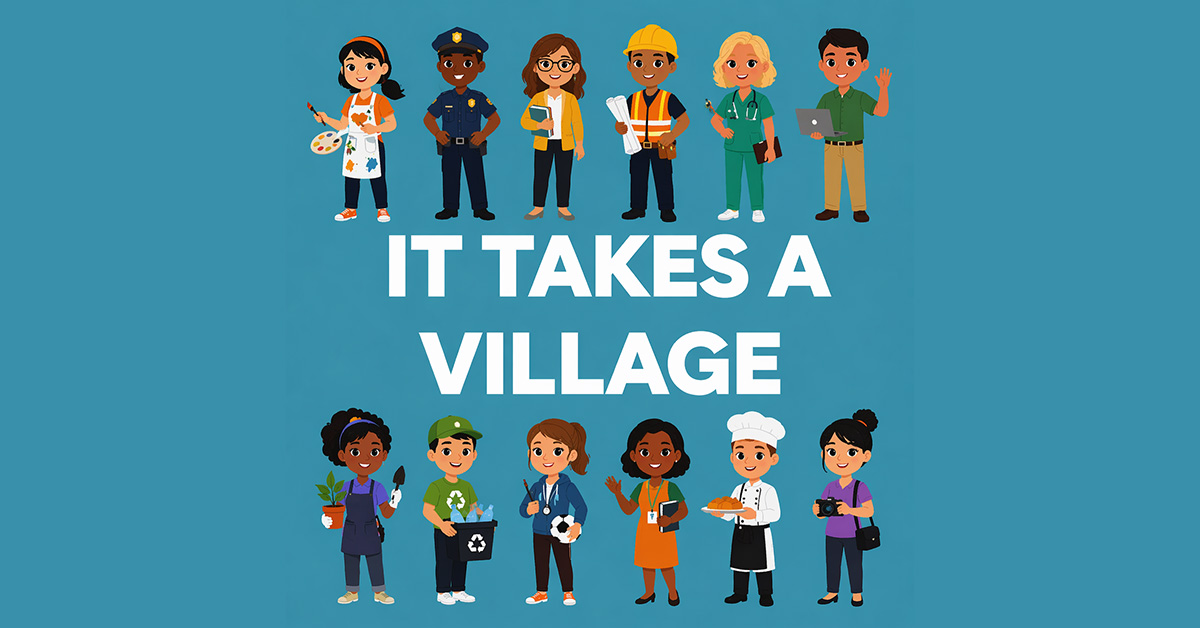
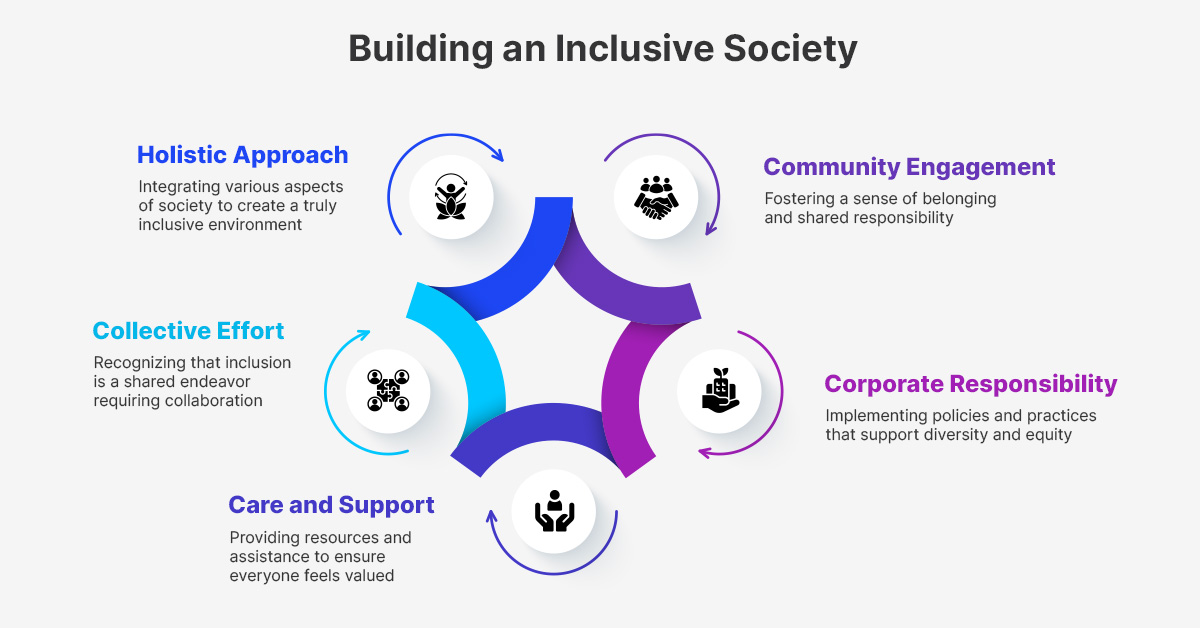
“It takes a village” is not a metaphor anymore. It is a model. A living, breathing architecture where community, corporate, and care converge to create what can only be described as circular inclusion - a system where belonging is not granted, but sustained.
Inclusion, for too long, has been designed for the “average.” But neurodiversity challenges that very idea. It asks a deeper question: What if there is no average?
For neurodivergent individuals, especially those on the autism spectrum - inclusion is not about fitting into existing systems. It is about redesigning those systems altogether. And that redesign cannot be owned by one institution. It takes a village.
Community: From Awareness to Acceptance to Advocacy
For autistic individuals, the first barrier is rarely capability. It is perception.
Communities often celebrate awareness days, yet struggle with everyday inclusion. A child on the spectrum in a classroom, a young adult in a neighbourhood, or a professional in a social setting often faces subtle exclusion - not from intent, but from misunderstanding.
True community inclusion means building sensory-aware environments, fostering peer understanding, and creating safe spaces where neurodivergent voices are not just accommodated but amplified.
Corporate: From Accommodation to Advantage
In the corporate world, neurodiversity is often treated as a compliance checkbox. Yet, the real story is far more urgent.
Up to 85% of adults with autism are unemployed or underemployed, according to Advanced Autism Services - a staggering gap that signals systemic exclusion, not lack of talent. Research published on Wiley Online Library highlights that autistic individuals often demonstrate more rational, bias-resistant decision-making - capabilities deeply aligned with modern business needs.
Yet hiring systems continue to filter them out. Traditional interviews reward eye contact over expertise. Open offices become sensory stress zones. Culture often values performance of “normalcy” over authentic ability. Nearly 75% of autistic professionals report masking to navigate workplaces, according to JHEA (Journal of Higher Education in Africa) Online - a hidden tax that erodes well-being and productivity.
Forward-thinking models are emerging. Companies like SAP and Microsoft have demonstrated that structured hiring, clear communication, and inclusive environments unlock measurable gains in productivity and innovation. Firms like Auticon report 35% long-term retention among autistic employees, proving that when systems adapt, talent stays.
In India, similar shifts are visible. Organizations are piloting neurodiversity hiring programs, redesigning assessments, and creating role-based environments—moving from accommodation to advantage. At SAP’s Bengaluru labs, neurodiversity hiring has delivered over 80% performance alignment with or above expectations and nearly 90% retention, with employees driving automation that reduced processes from days to minutes. Meanwhile, EY in India is building neurodiversity pipelines for analytics and AI roles through customized assessments.
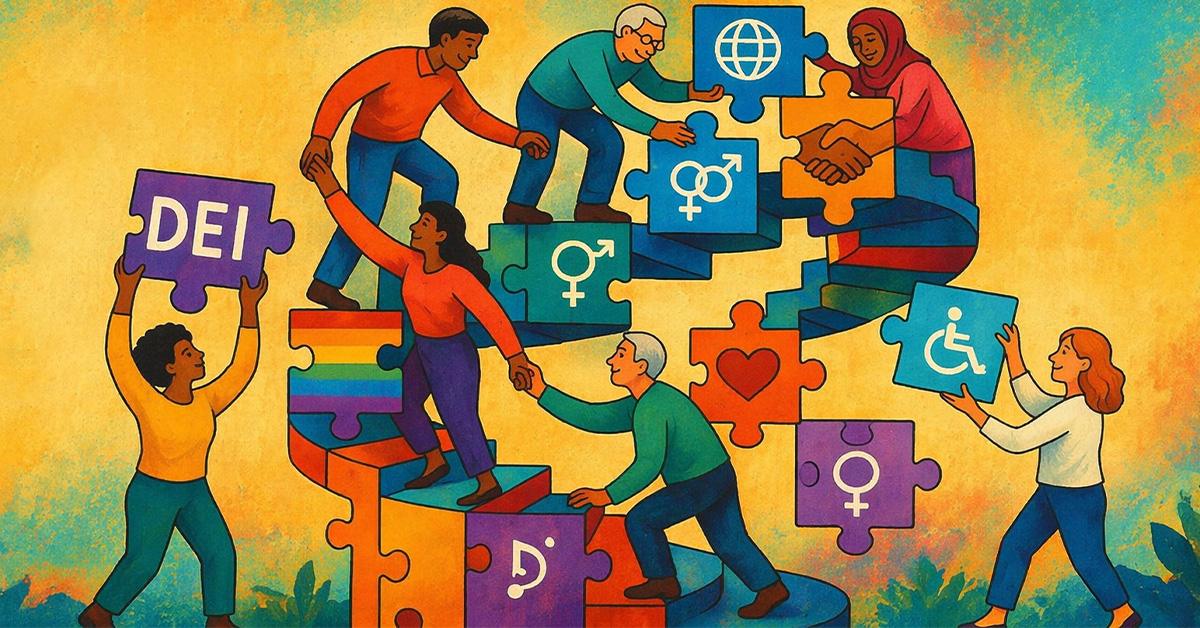
Care: The Missing Link in Neurodiversity Inclusion
Care is where inclusion either deepens or dissolves.
For neurodivergent individuals, care is not limited to healthcare. It includes emotional support, structured routines, caregiver networks, and long-term planning—especially critical in conversations around “life after parents.”
Urban innovation is beginning to reflect this need. Integrated care hubs—combining therapy, skilling, and counselling are emerging as scalable models. These are not service centers. They are ecosystems of dignity.
The care economy, often invisible, is an invisible scaffold, sustainsing participation. Without it, inclusion remains fragile.
The Village in Action: Circular Inclusion for Neurodiversity
When community, corporate, and care intersect, inclusion becomes sustainable.
- Community builds acceptance and belonging
- Corporate creates opportunity and economic participation
- Care ensures continuity, well-being, and resilience
This is circular inclusion - a system where support flows in every direction.
Designing for Neurodiversity: From Margins to Mainstream
The future lies in inclusive design - systems built with neurodivergent needs at the center.
Simple shifts create disproportionate impact:
- Visual workflows over verbal overload
- Quiet zones in offices and public spaces
- Predictable, accessible digital interfaces
Designing for neurodiversity does not isolate. It elevates usability for all.
CSM Lighthouse: Engineering Inclusion Beyond Awareness
CSM Lighthouse is more than an initiative - it is a design philosophy where inclusion is engineered with intent. Launched on World Autism Awareness Day, it reflects our ability to translate empathy into structured, scalable solutions. From enabling sensory-friendly environments and data-driven insights to building pathways for vocational identity and financial security, we bring technology, policy thinking, and human-centered design into one cohesive ecosystem.
Looking ahead, we can evolve Lighthouse into a digital inclusion platform, leveraging AI for personalized care, analytics for policy impact, and enterprise frameworks for corporate readiness. That’s because true progress isn’t about acknowledging neurodiversity, it’s about architecting a world where every mind finds its place, purpose, and power.
The Road Ahead: From Empathy to Execution
The conversation must now move beyond empathy into execution.
Call to Action:
- Communities must practice everyday inclusion
- Corporates must redesign hiring and workplaces
- Policymakers must invest in integrated care ecosystems
A Future That Includes Every Mind
Imagine a world where an autistic individual is not “accommodated” but anticipated. Where systems recognize ability before difference. That future is not distant. It is being designed - quietly, intentionally by those who understand a simple truth: Inclusion is not charity. It is intelligent design.
And yes, it takes a village.

Recent Publications


- Agriculture and Allied Services
- AgriTech
- Application Development
- Artificial Intelligence
- Blockchain
- COVID-19
- CSM Editorial
- Data Analytics
- Digital service
- Digital Transformation
- Education
- EduTech
- Emerging Technologies
- Enterprise Resource Planning
- Food Security
- Golden Records
- GovTech Solution
- Green Jobs
- Healthcare
- HR Analytics
- Hybrid Work Culture
- Independence Thought
- Industry 4.0
- Innovation
- IT Consulting
- Land & Industry
- Life@CSM
- Memory Lane
- Mines & Minerals
- Mining Technology
- Opinion Piece
- Precision Agriculture
- Smart City
- Social Listening
- Social Media
- Social Registry
- Super Apps
- Tourism
- User Experience
- Web 3.0
- Work Culture








We will verify and publish your comment soon.