
















For decades, disability support in India followed a familiar, if flawed, script: fill out a form, join a queue, and hope the system eventually noticed you. Tamil Nadu has torn up that script and rewritten something far more ambitious. What once resembled a waiting room of welfare is now evolving into an intelligent operating system of inclusion.
.jpg)
From Fragmented Welfare to Integrated Digital Empowerment
At the heart of this transformation lies the Social Protection Delivery System (SPDS) Tamil Nadu, a digital-first platform launched on March 13, 2026 under the TN-RIGHTS Project, developed in partnership with CSM Technologies with World Bank backing. SPDS is not merely another welfare portal. It is India’s most sophisticated digital welfare infrastructure for differently abled persons (DAPs).
Think of traditional welfare systems as scattered islands. SPDS builds the bridge. At its core sits a Social Registry Engine, a de-duplicated, real-time database built not from applications but from door-to-door surveys conducted through mobile-enabled field operations. According to Government of Tamil Nadu data, over 9 lakh DAPs have been identified and profiled, 83 welfare schemes unified into a single registry, and more than 213 One-Stop Centres operational at the block level. The system has also facilitated over 54,000 certifications and 12,000 therapy sessions, while deploying 900+ therapists across the state.
This is not just administrative efficiency. It is dignity delivered at scale. What makes SPDS Tamil Nadu truly disruptive is its inversion of responsibility. In most systems, the citizen must prove eligibility repeatedly. Here, the system identifies need proactively. It is the difference between asking for help and being understood without asking.
.jpg)
Beyond Access: Building Dignity, Voice, and Economic Independence
The integration of One-Stop Centres across blocks further decentralizes access. These are not just service points. They are ecosystems offering therapy, counselling, certification, and vocational training under one roof. For a differently abled individual in a rural district, this collapses distance, time, and uncertainty into a single touchpoint.
But Tamil Nadu’s model goes beyond digital efficiency. It is anchored in a philosophy of dignity. As early as 2010–11, the state replaced the term “Disabled” with “Maatruthirunaaligal” or Differently Abled, signalling a deeper cultural shift. Language shapes perception, and perception shapes policy. This linguistic reset was followed by structural reform, including a dedicated Department for the Welfare of DAPs, a governance model unique in India. The state has also legislated statutory representation for Persons with Disabilities (PWDs) in local bodies, appointing over 13,000 individuals across panchayats and urban institutions, as noted in policy analyses. This is not inclusion as symbolism. It is inclusion as architecture.
Economic empowerment is another critical lever. Subsidized entrepreneurship, assistive technologies, and targeted vocational training are enabling individuals to participate in the economy. A smart cane or motorized wheelchair is not just a device. It is mobility, independence, and agency combined.
.jpg)
How CSM Technologies Is Powering Tamil Nadu’s SPDS Revolution
As the technology partner behind Tamil Nadu’s SPDS, CSM Technologies has architected more than a platform - it has engineered a paradigm shift in inclusive governance.
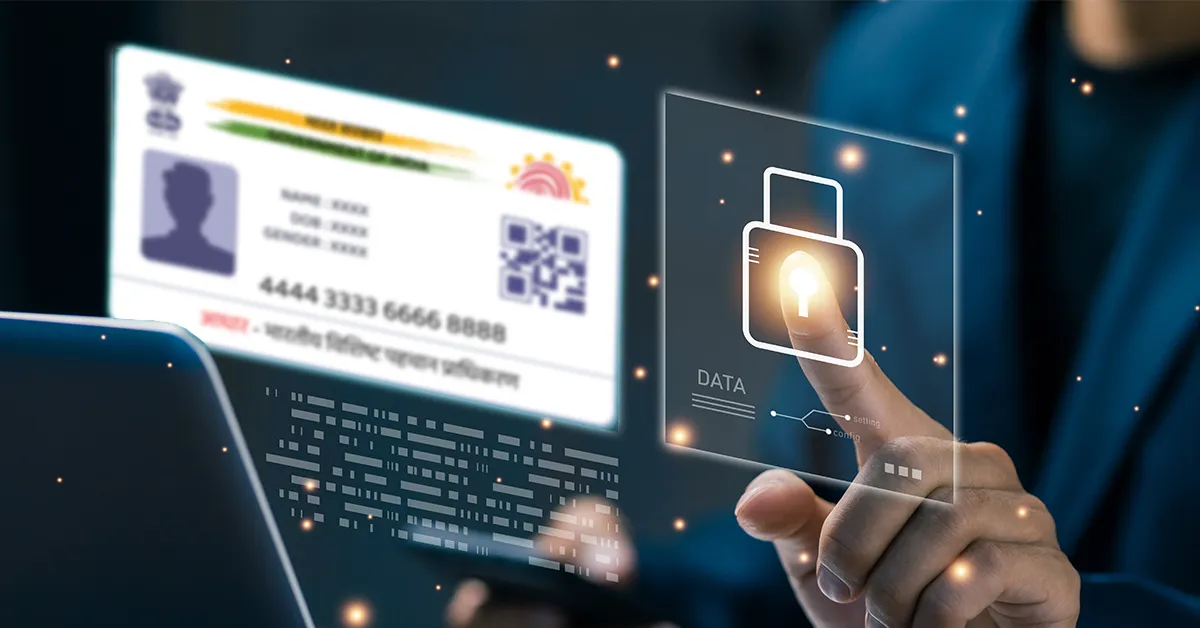
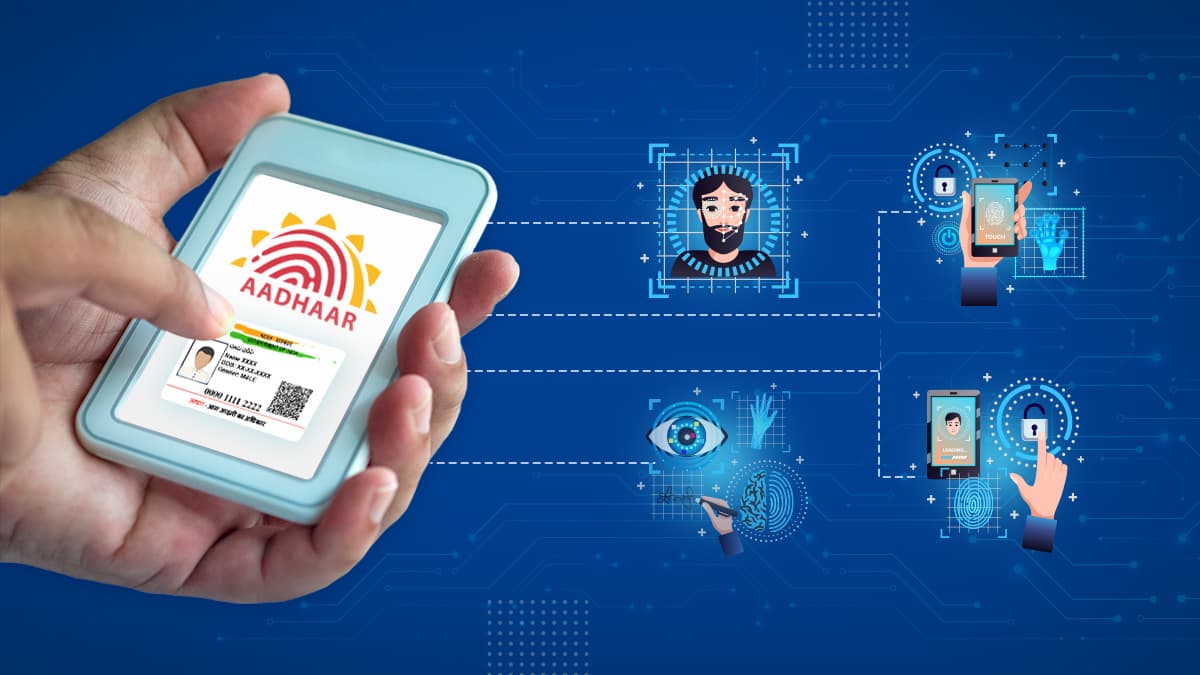
What sets the solution apart is its intelligence layer. A rules-driven engine proactively triggers entitlements such as therapy, assistive devices, and financial aid, replacing outdated application-based workflows. Seamless interoperability with Aadhaar, DigiLocker, and Health MIS ensures frictionless verification, while mobile-first tools empower field officers to deliver last-mile services efficiently.
By integrating real-time dashboards, decentralized One-Stop Centres, and automated service orchestration, CSM has enabled a system that is not only scalable and transparent but deeply human-centric - where technology does not just deliver services, it restores dignity, accelerates inclusion, and builds trust at scale.
.jpg)
A Scalable Blueprint for Inclusive Digital Governance
Globally, the need for such transformation is urgent. The World Health Organization (WHO) estimates that over 1.3 billion people live with disabilities, yet less than one-third receive consistent support, according to United Nations data. Tamil Nadu’s SPDS offers a replicable model where digital identity, data integration, and proactive governance converge to close this gap.
Yet, no system is beyond scrutiny. The success of digital welfare platforms depends on data accuracy, privacy safeguards, and digital literacy. A centralized registry, while powerful, raises valid questions around data governance and consent. Technology can enable inclusion, but it must continuously earn trust.
What Tamil Nadu has demonstrated is that social protection for DAPs need not be a fiscal burden. With a budget allocation exceeding Rs 1,100 crore in recent years, the state is investing not just in welfare, but in human potential. Inclusion, in this sense, is not charity. It is strategy.
.jpg)
If Estonia’s digital identity model set the global benchmark for civic inclusion, Tamil Nadu’s SPDS is emerging as India’s most compelling answer to inclusive governance at scale. It answers a fundamental question: what if welfare systems could anticipate needs instead of reacting to them?
The road ahead demands replication and collaboration. Policymakers, technologists, and institutions must work together to scale such models across India. The goal is not to digitize welfare. It is to humanize it.
The call to action is simple yet urgent. Build systems that identify before they exclude. Design governance that empowers before it assists. Invest in platforms that deliver dignity, not just benefits.
The future is already visible in Tamil Nadu. A future where no differently abled person needs to chase entitlements, where eligibility is detected, not declared, and where empowerment is not promised, but delivered.


Recent Publications

- Agriculture and Allied Services
- AgriTech
- Application Development
- Artificial Intelligence
- Blockchain
- COVID-19
- CSM Editorial
- Data Analytics
- Digital service
- Digital Transformation
- Education
- EduTech
- Emerging Technologies
- Enterprise Resource Planning
- Food Security
- Golden Records
- GovTech Solution
- Green Jobs
- Healthcare
- HR Analytics
- Hybrid Work Culture
- Independence Thought
- Industry 4.0
- Innovation
- IT Consulting
- Land & Industry
- Life@CSM
- Memory Lane
- Mines & Minerals
- Mining Technology
- Opinion Piece
- Precision Agriculture
- Smart City
- Social Listening
- Social Media
- Social Registry
- Super Apps
- Tourism
- User Experience
- Web 3.0
- Work Culture









We will verify and publish your comment soon.