




















For decades, procurement operated like a corporate back-office furnace- always running, rarely noticed, and remembered only when something broke. Its mandate was painfully narrow: negotiate harder, reduce costs faster, and squeeze suppliers tighter. But in the AI era, procurement is experiencing something far more disruptive than digitization. It is undergoing an identity shift.
According to McKinsey & Company and IBM, nearly 75% of large enterprises are expected to adopt AI-driven procurement solutions by 2026 to automate sourcing, improve supplier intelligence, and strengthen risk management. Procurement is no longer just about buying smarter. It is about thinking smarter.
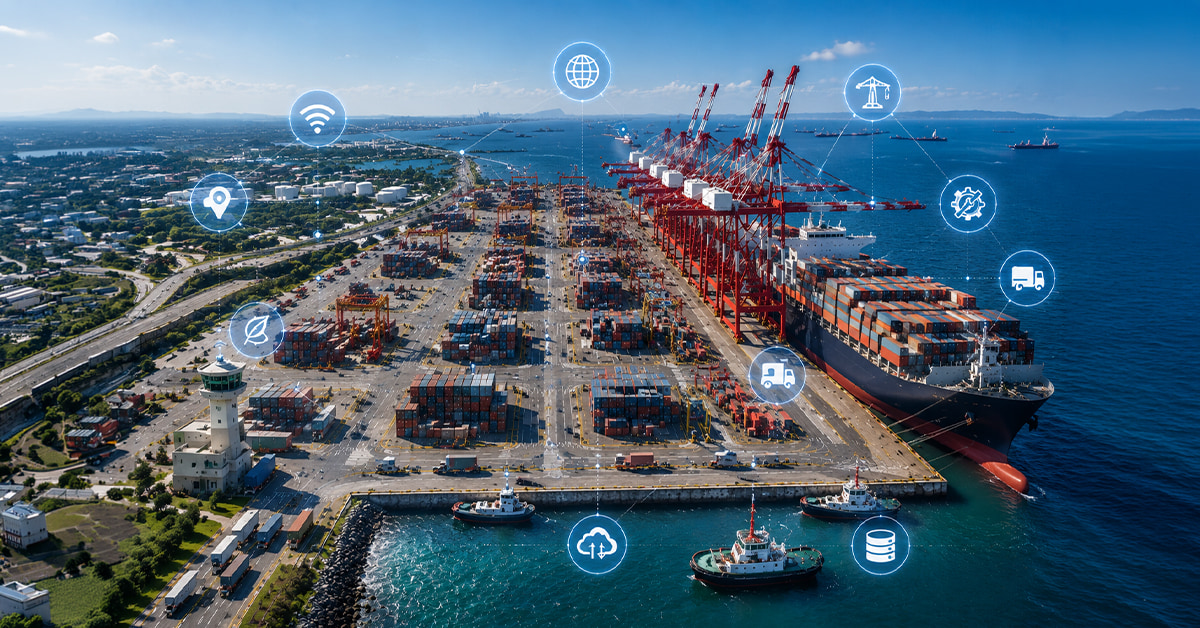
 (1).jpg)
From Cost Centre to Command Centre
For decades, procurement functioned on instinct disguised as process. RFPs went out, bids came in, and the lowest number usually won. It was transactional, linear, and amnesiac. Each sourcing event ended with data archived and forgotten.
Artificial intelligence (AI) has dismantled that amnesia entirely.
Modern AI-powered procurement platforms remember, analyse, and predict. Every supplier response, bidding behaviour, and price fluctuation becomes part of a continuously evolving intelligence map. Over time, AI identifies patterns invisible to humans: suppliers that inflate opening bids before strategic concessions, categories vulnerable to seasonal volatility, or vendors that repeatedly under deliver despite attractive pricing.
This is no longer procurement administration. This is strategic intelligence.
 (1).jpg)
The Auction as a Data Engine
The reverse auction, once viewed as a blunt cost-cutting instrument, is being reinvented by AI. Traditionally adversarial and short-sighted, auctions often damaged supplier relationships in pursuit of marginal savings.
Today’s AI-driven procurement engines analyse live bidding behaviour, benchmark submissions against historical procurement analytics, flag abnormal pricing patterns, and evaluate supplier competitiveness in real time. Procurement leaders are no longer watching numbers move across a dashboard. They are reading market psychology.
Think of it as the difference between watching a chess game and having a grandmaster decode every move while the match is still unfolding.
The most advanced enterprises are now moving towards predictive procurement. AI systems use machine learning and procurement intelligence to anticipate supply chain disruptions, model commodity price fluctuations, and optimize sourcing strategies before an RFQ is even released. During recent global supply chain crises, companies leveraging AI-powered sourcing platforms identified vulnerable supplier dependencies weeks ahead of competitors, according to research from SAP Research and ScienceDirect.
That is not operational efficiency.
That is survival intelligence.
Supplier Intelligence Beyond Pricing
Perhaps the most transformative dimension of AI in procurement is supplier intelligence. Natural Language Processing (NLP) tools now analyze supplier communications, contract histories, public disclosures, and risk indicators to create dynamic supplier risk profiles.
A vendor appearing competitive on paper may reveal patterns of delivery delays, financial instability, or geopolitical vulnerability through behavioural data analysis. Procurement teams can now evaluate hundreds of variables simultaneously, including ESG compliance, carbon intensity, quality consistency, and regulatory exposure.
But true strategic intelligence requires acknowledging AI’s limitations.
AI procurement platforms heavily depend on publicly indexed data. This creates a dangerous asymmetry. Exceptional suppliers- including many women-owned and underrepresented businesses operating within private procurement ecosystems often remain invisible to algorithms.
If every procurement team uses the same AI models trained on identical public datasets, supply chains paradoxically become more concentrated and fragile. Efficiency improves, but resilience weakens.
The smartest procurement organizations understand this distinction. AI scales discovery, but human ecosystem intelligence uncovers hidden, resilient supplier networks inaccessible to algorithms alone.
.jpg)
Transforming Procurement into Strategic Intelligence Engines with CSM
At CSM Technologies, we are redefining modern procurement by turning transactional e-auctions into data-driven strategic intelligence engines. Traditional, slow, paper-driven manual procurement processes restrict supplier participation and lack real-time visibility. Our Electronic Auction Platform (EAP) eliminates these bottlenecks through complete end-to-end automation, predictive analytics, and real-time bidding infrastructure.
Crucial Features & Value Delivery
- Real-Time Bidding Intelligence: Enables dynamic price discovery, immediate bid evaluation, and seamless multi-stakeholder workflows.
- Audit-Ready Governance: Embeds strict compliance and automated digital trails to guarantee ironclad transparency and absolute fairness.
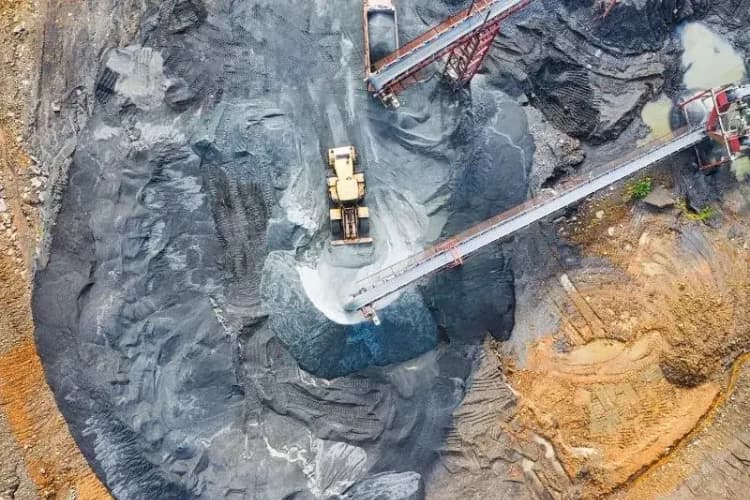
- Proven Global Scale: Powering major operations like East Africa's Integrated Tea Trading System (ITTS) and high-volume mineral auctions across multiple Indian states.
By processing millions of data points, CSM helps enterprises and governments slash procurement delays, expand supplier reach, and unlock predictive market insights for future-ready growth.
.jpg)
The Human Intelligence Layer
This is where many AI procurement narratives collapse into oversimplification: they assume humans are becoming redundant.
The opposite is true.
AI excels at anomaly detection, predictive modelling, procurement automation, and real-time benchmarking. What it cannot replicate is contextual judgment- understanding geopolitical nuance, reading supplier intent, or recognizing when data is technically accurate but strategically misleading.
The procurement professional of the AI era is evolving into an intelligence analyst. Their role is no longer administrative. It is strategic, analytical, and deeply interdisciplinary.
In an increasingly volatile global economy, procurement intelligence is rapidly becoming competitive intelligence.
The auction room is no longer merely where organizations buy.
It is where they listen- to markets, suppliers, disruptions, and opportunities.
The Strategic Imperative for the Future
Organizations still treating procurement as a back-office cost-control mechanism are leaving enormous strategic value untapped. AI procurement, predictive procurement analytics, supplier intelligence, and e-procurement automation are reshaping how enterprises compete, innovate, and survive.
The future belongs to businesses that combine algorithmic intelligence with human foresight.
Those who rely only on instinct will react to disruption.
Those who build data-driven procurement intelligence engines will anticipate it.


Recent Publications





- Agriculture and Allied Services
- AgriTech
- Application Development
- Artificial Intelligence
- Blockchain
- COVID-19
- CSM Editorial
- Data Analytics
- Digital service
- Digital Transformation
- Education
- EduTech
- Emerging Technologies
- Enterprise Resource Planning
- Food Security
- Golden Records
- GovTech Solution
- Green Jobs
- Healthcare
- HR Analytics
- Hybrid Work Culture
- Independence Thought
- Industry 4.0
- Innovation
- IT Consulting
- Land & Industry
- Life@CSM
- Memory Lane
- Mines & Minerals
- Mining Technology
- Opinion Piece
- Precision Agriculture
- Smart City
- Social Listening
- Social Media
- Social Registry
- Super Apps
- Tourism
- User Experience
- Web 3.0
- Work Culture
















We will verify and publish your comment soon.