





















A railway gauge built for one country rarely fits another. GovTech is no different. Yet India’s Digital Public Infrastructure (DPI) is travelling to Africa, not as a finished train, but as a blueprint for tracks. GovTech works across borders when open-source identity, payment and data-exchange systems are adapted to local economic, infrastructural and regulatory realities, not copied wholesale.
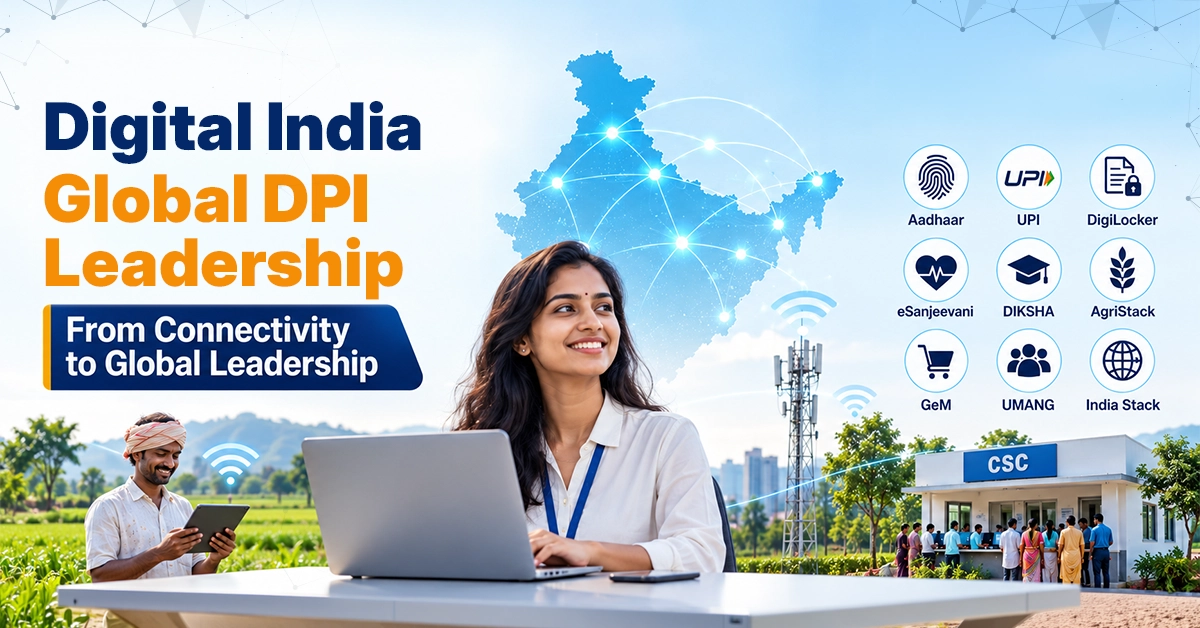
The Digital Public Infrastructure Advantage
India’s Digital Public Infrastructure (DPI), built around digital identity, payments and data exchange, offers valuable lessons for African nations seeking affordable, scalable e-governance solutions.
According to the Observer Research Foundation, India’s internet users grew from 251 million in 2014 to nearly 970 million by 2024. This expansion demonstrates how digital infrastructure can reshape access to public services and economic opportunities.
Five Enablers of Cross-Border GovTech Success
Open-source foundations: MOSIP (Modular Open Source Identity Platform) offers non-proprietary building blocks, letting African nations customise without vendor lock-in.
Replicable digital identity: Aadhaar inspired Ethiopia’s Fayda (15 million enrolled) and the Ghana Card, the identity layer for financial and public services.
Interoperable rails: Uganda’s UGHub connects dozens of government and private entities; Namibia licensed UPI. Instant payments and data-sharing can dissolve institutional silos.
Co-development: India’s ITEC (Indian Technical and Economic Cooperation) training slots and regional tech hubs help African engineers manage, adapt and scale platforms themselves, moving beyond technology export.
Public-private partnerships: Aligning registries with agile fintechs and civic innovators matches tools to ground-level habits, crucial amid rural and low-literacy hurdles.
Think of DPI as Lego bricks, not a prefabricated house. India supplies the bricks; each nation designs the building.
Analyses from Observer Research Foundation (ORF), the World Economic Forum, OECD and UNU-EGOV converge on one lesson: technology travels only when trust, capacity and context travel with it.
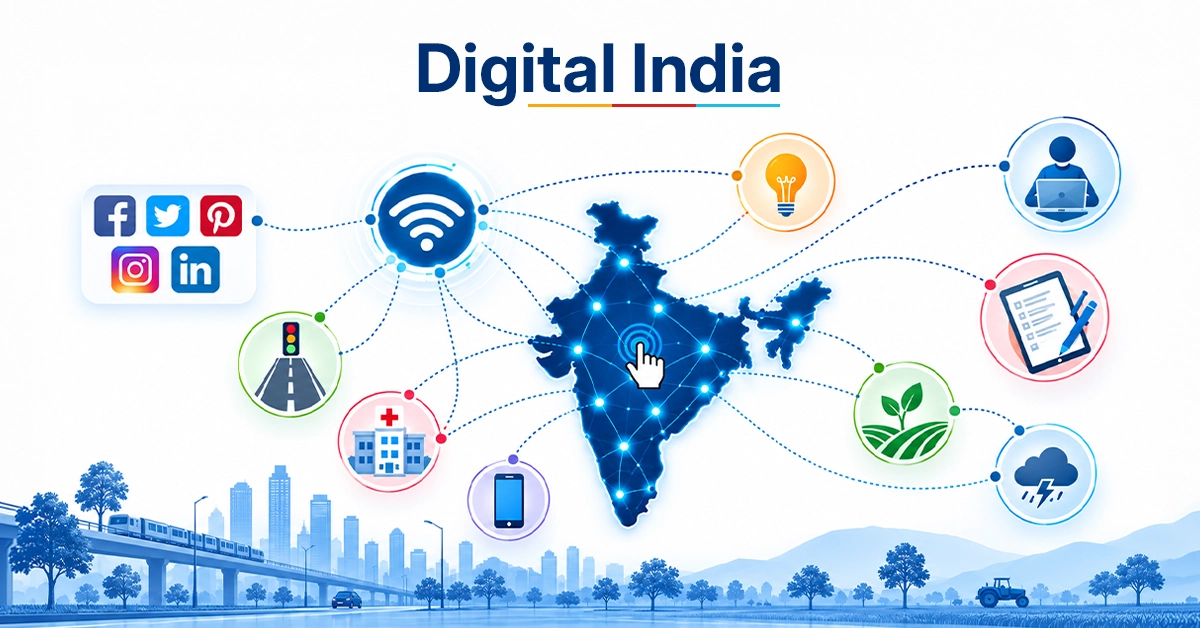
CSM Technologies: Taking India’s GovTech Blueprint to Africa
GovTech travels across borders when it is modular, trusted and built to solve real friction, not when it is a rigid code drop. That is the vision CSM Technologies upholds.
Having built large-scale mineral administration systems in India, including i3MS in Odisha and Khanij Online in Chhattisgarh we adapted the same proven frameworks for Africa, delivering Kenya’s nationwide Royalty Management System (RMS) and winning the Beira Corridor Project mandate via TradeMark Africa.
Why our solutions stand out
Modular architecture: Plugs into local regulatory and IT environments, avoiding vendor lock-in.
Trust by design: Transparent data governance, robust security and complete audit trails build citizen and agency confidence.
Revenue assurance: Digital tracking of production, dispatches and royalties plugs leakage in natural resources.
Agri-digitisation: Our Electronic Warehouse Receipt System (eWRS) replaces paper-based fraud with verifiable records and connects smallholders to formal finance.
Connected logistics: Single-window and e-procurement expertise links port-to-hinterland corridors, supporting AfCFTA’s (African Continental Free Trade Area) vision of seamless trade.
The result: stronger public revenues, transparent governance and shared prosperity.
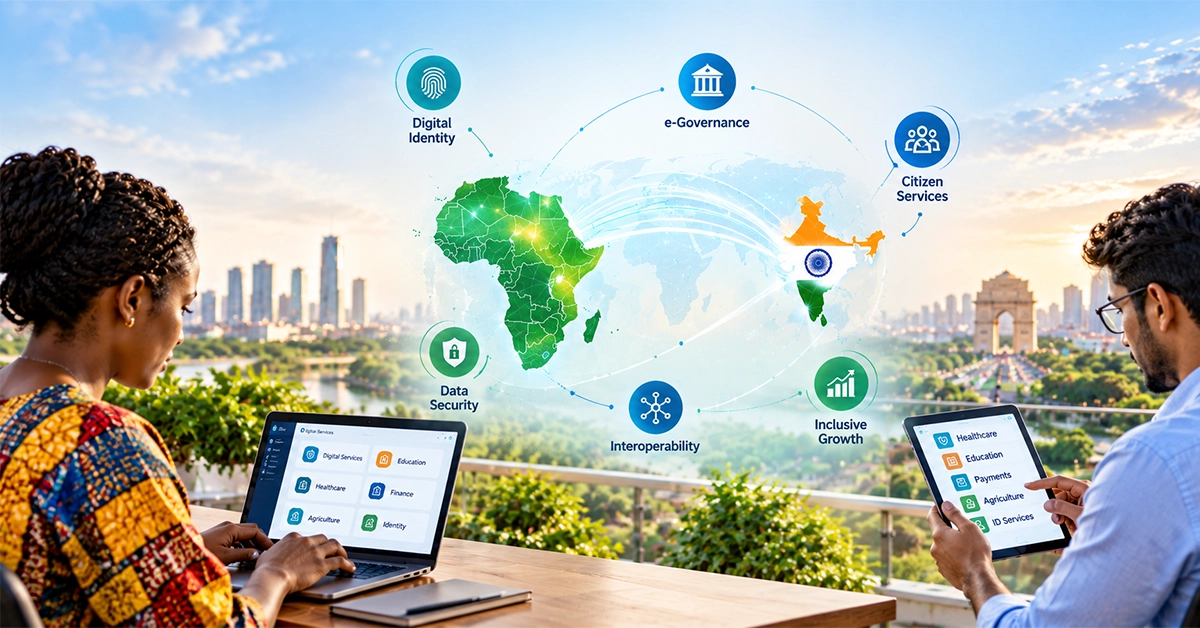
What Policymakers Should Do Next
- Prioritize open standards and interoperability before procurement.
- Invest in local engineers, not just licenses.
- Harmonise data-protection rules across regional blocs.
- Design offline-first for citizens at the last mile.
The Vision Ahead
Imagine a farmer in Ethiopia verifying identity, receiving a subsidy and paying for seeds from one phone, in minutes, with her data protected. That is not India’s future or Africa’s. It is a shared digital commons built by both.


Recent Publications



- Agriculture and Allied Services
- AgriTech
- Application Development
- Artificial Intelligence
- Blockchain
- COVID-19
- CSM Editorial
- Data Analytics
- Digital service
- Digital Transformation
- Education
- EduTech
- Emerging Technologies
- Enterprise Resource Planning
- Food Security
- Golden Records
- GovTech Solution
- Green Jobs
- Healthcare
- HR Analytics
- Hybrid Work Culture
- Independence Thought
- Industry 4.0
- Innovation
- IT Consulting
- Land & Industry
- Life@CSM
- Memory Lane
- Mines & Minerals
- Mining Technology
- Opinion Piece
- Precision Agriculture
- Smart City
- Social Listening
- Social Media
- Social Registry
- Super Apps
- Tourism
- User Experience
- Web 3.0
- Work Culture
















We will verify and publish your comment soon.