
















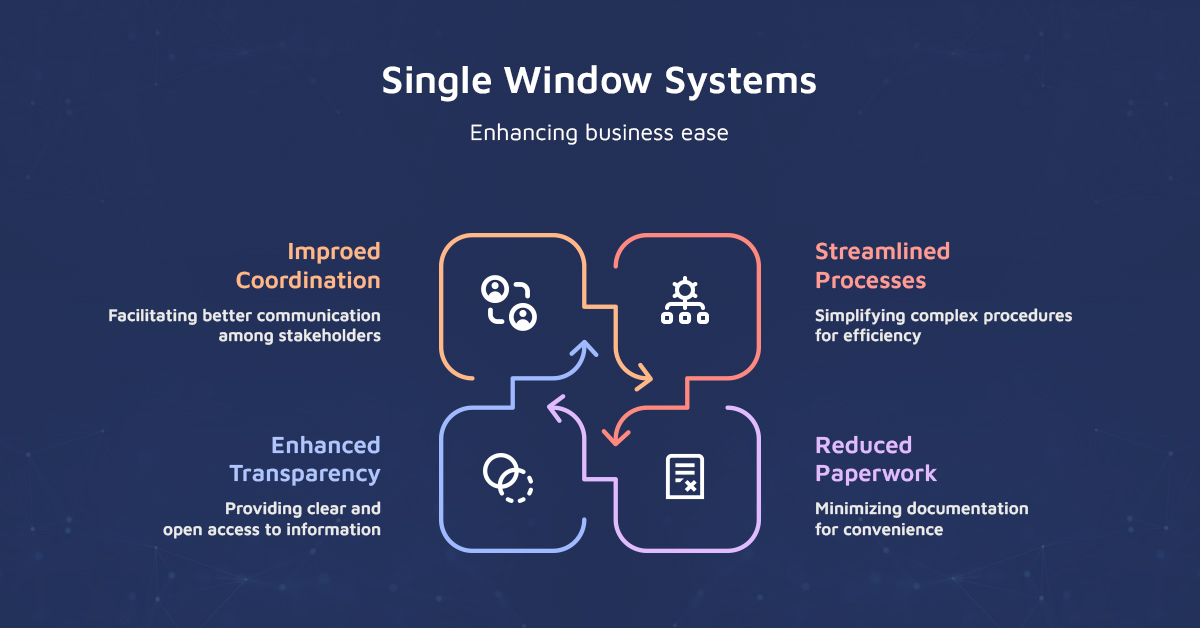
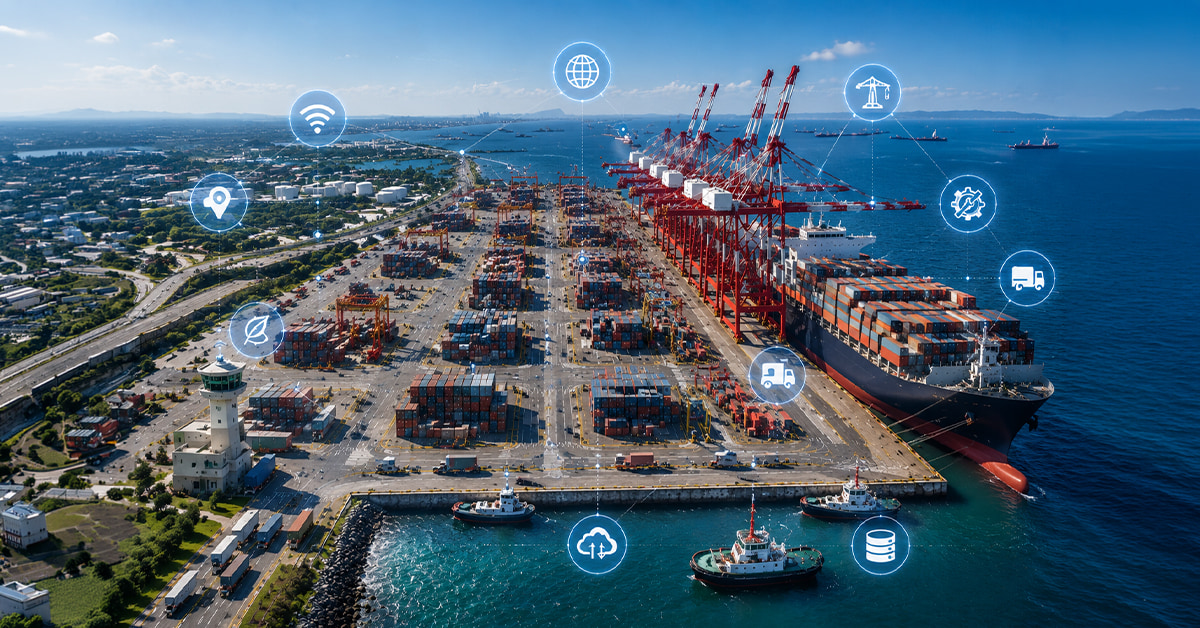
A decade ago, a Single Window System (SWS) was considered revolutionary simply because it replaced paper files with PDFs. Today, that definition feels outdated. In a world where cargo ships communicate through APIs, customs decisions are shaped by artificial intelligence, and investors expect approvals at the speed of a digital payment, trade facilitation can no longer rely on static portals.
The next generation of Single Window Systems must evolve from digital counters into intelligent economic nervous systems.
Think of the old model as an airport check-in desk. You stood in one line instead of ten. Efficient, perhaps. Transformative, not really. The future demands something far more ambitious: a synchronized ecosystem where customs, ports, banks, regulators, logistics providers, investors, and governments operate like instruments in a single orchestra.
That transformation is already unfolding in India.
.jpg)
From “One Portal” to “One Economic Ecosystem”
India’s digital governance architecture has emerged as one of the world’s strongest case studies in trade modernization. The National Single Window System (NSWS) has facilitated over 8,29,750 approvals across 32 Central Departments and 32 States. The GSTN platform processed over ₹102.91 lakh crore in payments as of January 2026, while UPI handled 21.70 billion transactions worth ₹28.33 lakh crore in a single month. The Udyam Portal has enabled 7.71 crore MSME registrations supporting 33.97 crore jobs.
These are not isolated platforms. They are interconnected layers of an emerging digital economic grid.
And that distinction matters.
That’s because the future of Single Window Systems is not about consolidating forms. It is about orchestrating trust, speed, compliance, and predictability across borders.
The Rise of Invisible Governance
The best digital systems are often the least visible.
Nobody admires electricity because it works silently in the background. The same principle will define next-generation trade ecosystems. Businesses should not “experience bureaucracy”; they should experience outcomes.
Imagine an exporter shipping pharmaceuticals from India to Europe. In a next-gen SWS environment, blockchain-backed certificates validate cargo automatically, AI engines assess risk in seconds, banks trigger trade financing instantly, and regulators receive compliance data in real time.
The exporter submits information once. The ecosystem does the rest. That is not digitization. That is intelligent orchestration.
Investment, Not Just Imports: The FDI Frontier
Single Window Systems were originally designed for the movement of goods. But capital behaves differently and moves faster.
Foreign Direct Investment (FDI) requires a digital gateway that manages not just approvals, but the entire investment lifecycle. From land allocation and utility approvals to environmental clearances and long-term compliance, investors need systems that remain responsive long after project launch.
India’s 12-week clearance turnaround model under NSWS is already reshaping investor expectations. Platforms such as Odisha’s GO SWIFT further demonstrate how localized digital ecosystems can personalize investor experiences without fragmenting national infrastructure.
For a federal economy, this is not a compromise. It is a strategic advantage.
Frameworks such as SPICe+, PM GatiShakti, ONDC, and TReDS are collectively creating something larger than compliance architecture. They are forming a digital operating system for economic growth.
How CSM is Reinventing Single Window Systems
In a world where investors expect approvals at digital speed, governments can no longer rely on fragmented portals and manual workflows. This is where CSM Technologies is redefining Single Window Systems through intelligent, interoperable, and investor-centric ecosystems.
CSM’s Single Window System for Investor Facilitation goes far beyond a digitized approval platform. Built on AI-enabled automation, GIS intelligence, real-time dashboards, and seamless departmental integration, it accelerates the entire investment lifecycle — from land identification and statutory clearances to post-establishment compliance and incentive disbursement.
Flagship implementations such as Odisha’s GO SWIFT and Chhattisgarh’s Single Window Portal demonstrate this capability at scale. Odisha’s GO SWIFT alone has processed over 4,600 applications, facilitated investments exceeding ₹15.6 lakh crore, and contributed to generating over 10 lakh employment opportunities.
Features such as Common Application Forms, automated utility approvals, digitally signed certificates, online payments, grievance redressal systems, and personalized investor dashboards create a truly frictionless “click-and-scroll” governance model.
CSM is helping governments transition from reactive administration to predictive governance, delivering faster clearances, lower compliance costs, stronger investor confidence, and significantly improved Ease of Doing Business (EODB) outcomes.
Blockchain, Automation, and the Fraud-Proof Future
Two technologies are quietly reshaping global trade trust: blockchain and intelligent automation.
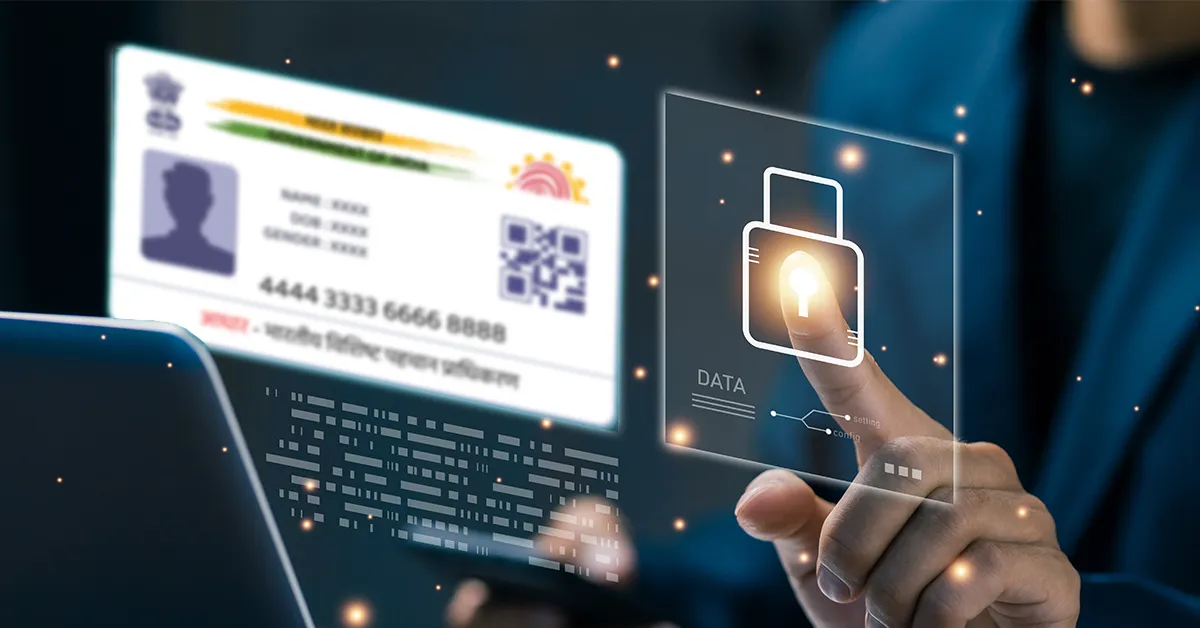
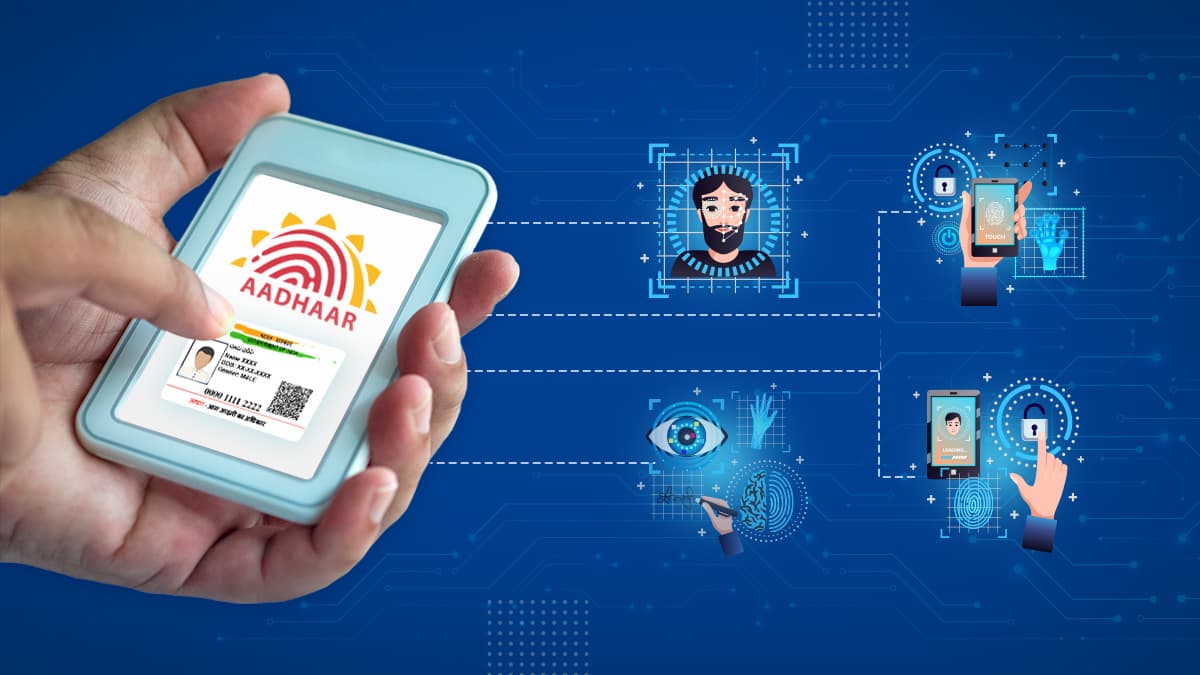
Blockchain’s value in trade lies not in cryptocurrency, but in immutability. When Certificates of Origin are stored on decentralized ledgers, they cannot be forged or altered. India’s eCoO 2.0 system is already reducing documentation bottlenecks through Aadhaar-based e-signing and integrated Free Trade Agreement resources.
At the same time, AI chatbots and robotic automation are simplifying compliance journeys that once required layers of consultants. MCA21 Version 3’s AI-enabled helpdesk resolved nearly 98% of over 3,16,000 helpdesk tickets during FY 2025–26, transforming bureaucratic gridlock into responsive digital governance.
The lesson is simple: speed and trust are no longer trade-offs. They are engineered together.
The Next Frontier: Cross-Border Interoperability
The biggest leap still lies ahead.
Most Single Window Systems remain nationally optimized but globally fragmented. The future belongs to interoperable trade corridors where customs, taxation, logistics, shipping, and compliance systems communicate seamlessly across borders.
Imagine an India-UAE or India-Singapore trade corridor where approvals, customs clearances, insurance verification, and trade financing move instantly through trusted digital rails.
No repetitive documentation. No duplicate verification. No fragmented approvals. Just frictionless commerce.
Organizations such as the United Nations Conference on Trade and Development and Organisation for Economic Co-operation and Development have consistently emphasized that interoperable Single Window Systems could become the backbone of global paperless trade.
The Age of Intelligent Trade Infrastructure
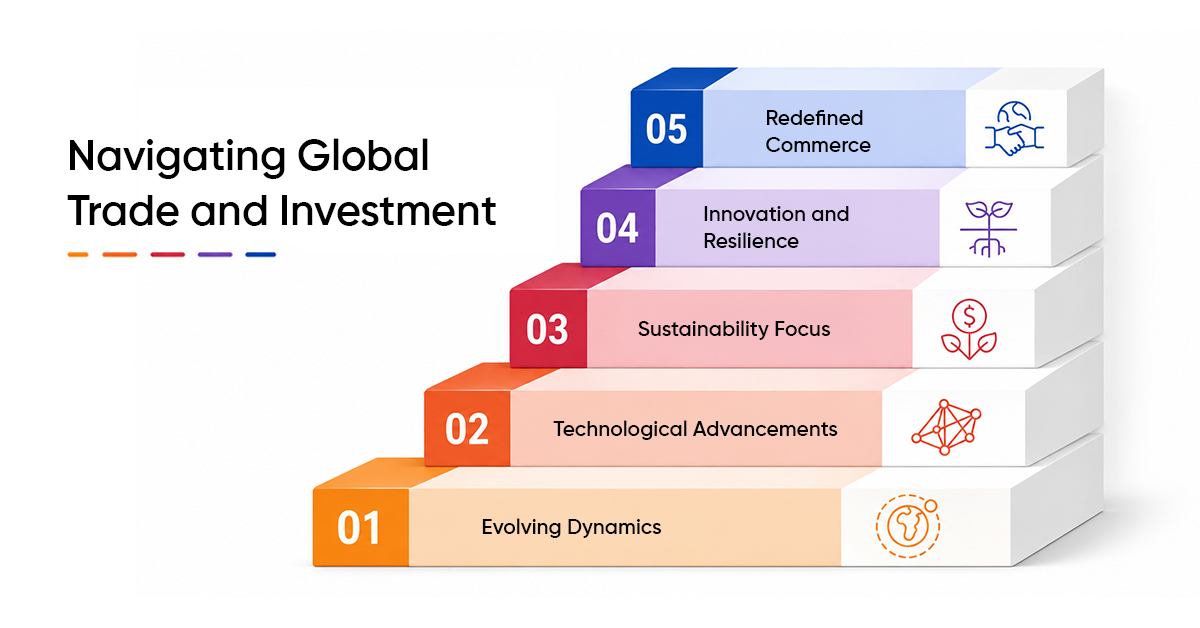
The next decade will not reward countries that merely digitize paperwork. It will reward nations that build intelligent, interconnected, predictive trade ecosystems.
Single Window Systems are no longer administrative tools. They are becoming strategic infrastructure — as critical as ports, highways, and power grids.
India’s digital transformation has already demonstrated what scale looks like. The next challenge is making these systems globally interoperable, AI-native, investor-centric, and frictionless by design.
In the future of global trade, competitiveness will not depend on who manufactures faster.
It will depend on who moves decisions faster.


Recent Publications
- Agriculture and Allied Services
- AgriTech
- Application Development
- Artificial Intelligence
- Blockchain
- COVID-19
- CSM Editorial
- Data Analytics
- Digital service
- Digital Transformation
- Education
- EduTech
- Emerging Technologies
- Enterprise Resource Planning
- Food Security
- Golden Records
- GovTech Solution
- Green Jobs
- Healthcare
- HR Analytics
- Hybrid Work Culture
- Independence Thought
- Industry 4.0
- Innovation
- IT Consulting
- Land & Industry
- Life@CSM
- Memory Lane
- Mines & Minerals
- Mining Technology
- Opinion Piece
- Precision Agriculture
- Smart City
- Social Listening
- Social Media
- Social Registry
- Super Apps
- Tourism
- User Experience
- Web 3.0
- Work Culture















We will verify and publish your comment soon.