






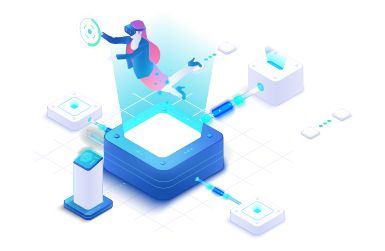


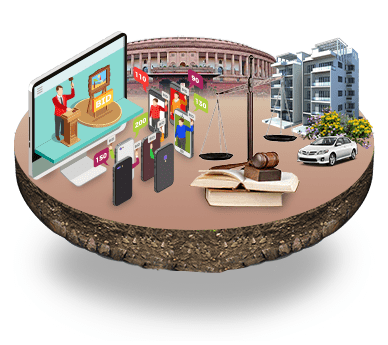











There was a time when government felt like a destination- an office to visit, a form to fill, a queue to endure. Today, the most advanced GovTech solutions are quietly rewriting that experience. The future of governance is not louder, bigger, or more visible- it is invisible. And paradoxically, that invisibility is becoming the ultimate marker of success in digital government transformation, a trend widely noted by IDC and the World Bank.
.webp)
From Destination to Infrastructure
For decades, e-government operated on a flawed assumption: that citizens would come to government. Build the portal. Launch the app. Put up the helpline. Wait.
They waited. And mostly, citizens didn’t come.
The logic was backwards. People don’t wake up eager to interact with bureaucracy. They want outcomes- licenses renewed, subsidies credited, problems solved. Forward-thinking GovTech solutions have absorbed this lesson. The new architecture doesn’t ask citizens to navigate- it navigates on their behalf. A birth registration automatically triggers enrollment in welfare programs. A change of address quietly updates multiple systems.
Government stops being a destination and becomes infrastructure- like electricity: always on, rarely noticed.
.webp)
The Tell-Us-Once Revolution
Consider the bureaucratic ordeal that once followed a life event like death in the family- multiple departments, repeated paperwork, prolonged distress. Invisible GovTech dismantles this inefficiency through interoperability. The principle is simple yet transformative: “tell us once” governance.
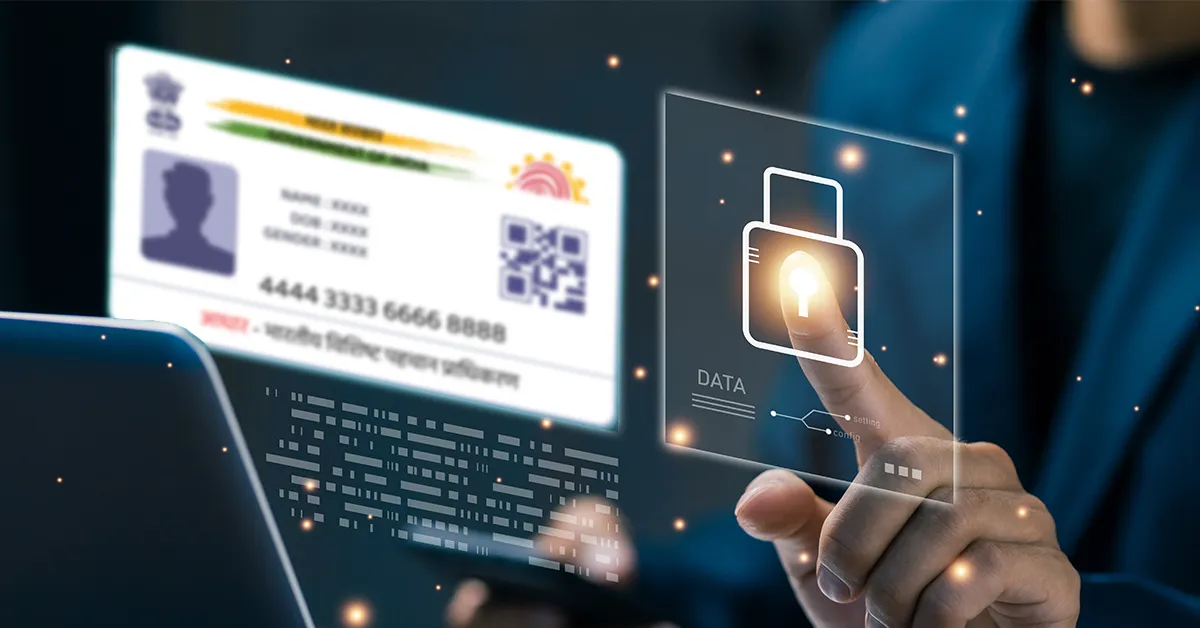
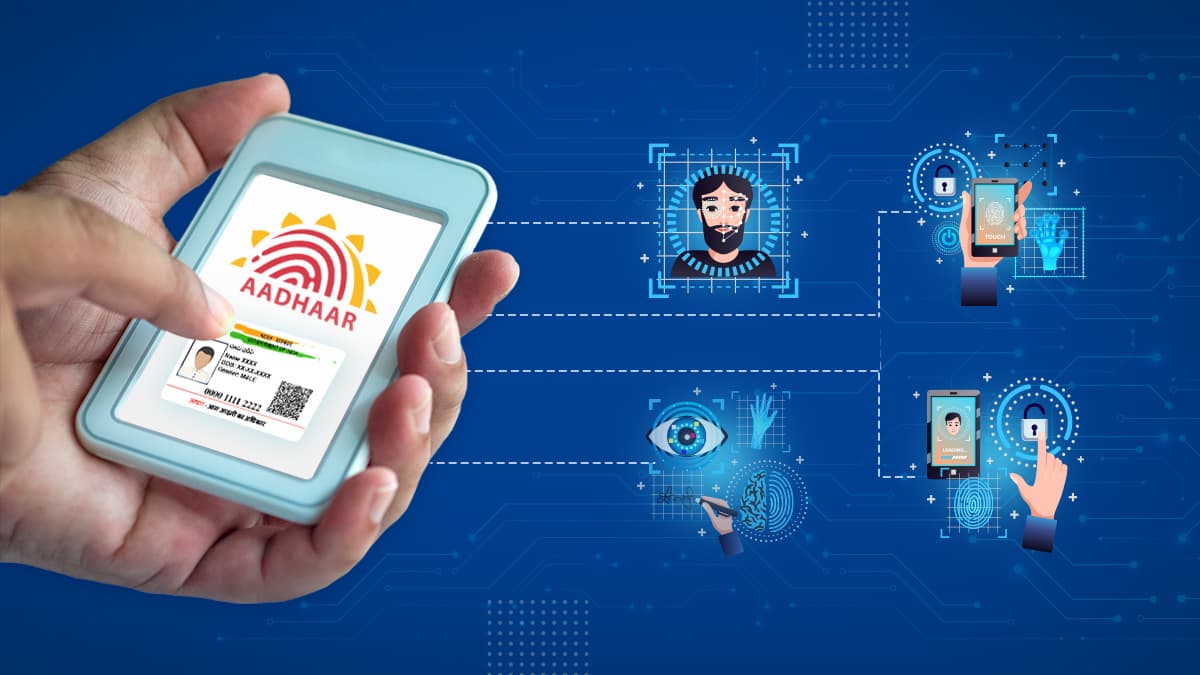
When backend systems communicate seamlessly, a single data update flows across departments. The citizen speaks once; the state responds everywhere. India’s JAM trinity (Jan Dhan, Aadhaar, Mobile) exemplifies this at scale, enabling Direct Benefit Transfers (DBT) to reach millions efficiently, reducing leakage and administrative friction (Government of India, World Bank).
The Three Pillars of Invisible GovTech
1. Seamless Service Delivery
At the heart of invisible government lies frictionless service delivery where services anticipate needs:
- Automated benefits enrollment based on life events
- Integrated platforms embedding services in banking, travel, and business apps
- Passport renewal, for instance, is evolving into a background process-mtriggered and completed within ecosystems citizens already use.
2. Digital Public Infrastructure (DPI)
Behind simplicity lies structure. Digital Public Infrastructure powers invisibility:
- Digital identity systems enabling single authentication
- Secure data-sharing frameworks eliminating redundant submissions
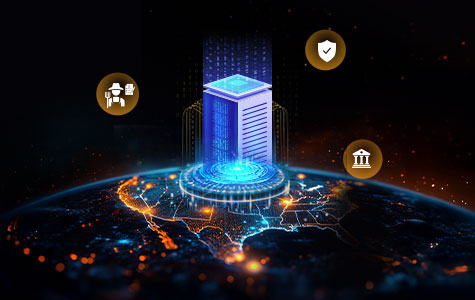
- India’s DPI stack demonstrates how identity, payments, and services converge into a citizen-centric digital ecosystem (World Bank, EY).
3. Grassroots Innovation and AI in Government
This transition is also bottom-up:
- AI-powered GovTech tools automate frontline workflows
- GovTech marketplaces accelerate deployment of modular solutions
- From chatbots resolving citizen queries 24/7 to AI-assisted administrative tasks, innovation quietly removes friction where it matters most.
The Trust Paradox
Here lies the subtlest tension: when government disappears, who remains accountable? Visibility is not optional in a democracy.
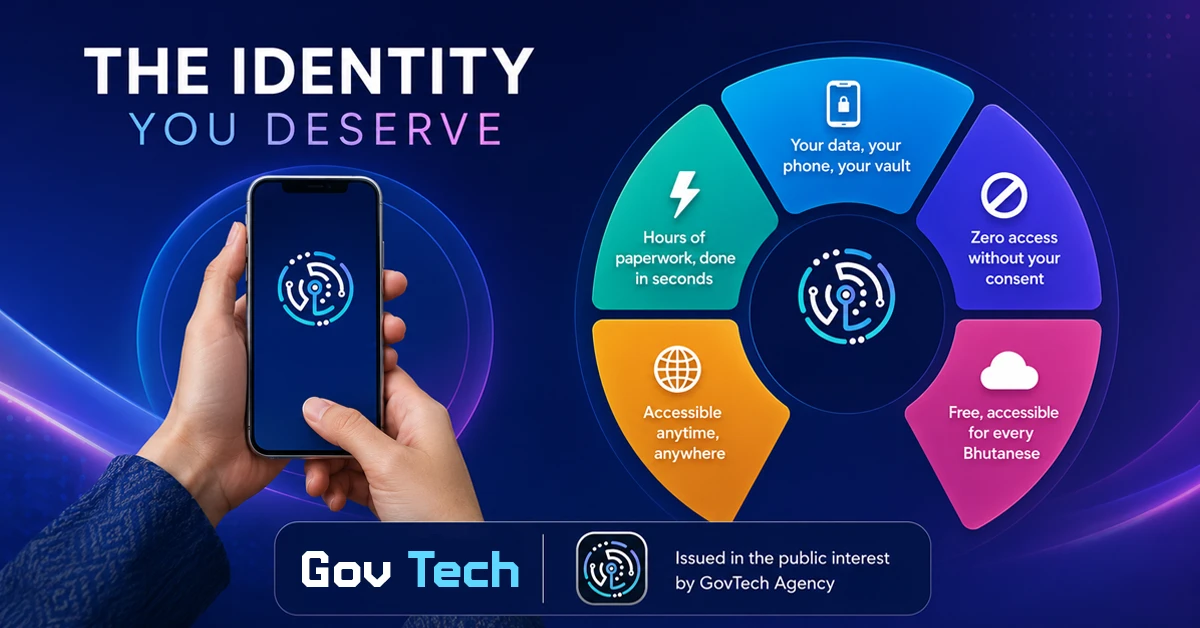
Invisible GovTech must avoid slipping into opacity. The difference lies in consent, transparency, and data sovereignty. The best systems don’t just remove effort- they build digital trust by offering:
- Transparent data usage controls
- Consent-driven data sharing
- Unified, secure identities
This shifts governance from enforcement to empowerment- a transformation emphasized in global GovTech frameworks (OECD, World Bank).
.webp)
When Government Becomes a Utility
Think of electricity again. You don’t engage with the grid; you benefit from it. Similarly, the most effective government technology solutions fade into daily life.
AI-driven systems enable what can be termed algorithmic empathy:
- Income changes automatically update tax obligations
- Civic complaints route directly to action dashboards
- Life events trigger real-time service delivery
The citizen no longer chases the system. The system follows the citizen.
How CSM is Engineering the Invisible Government
At CSM Technologies, we believe the true success of GovTech lies not in visibility, but in effortless outcomes. The concept of the invisible government aligns perfectly with our design philosophy- where technology dissolves complexity and delivers services seamlessly within citizens’ daily lives.
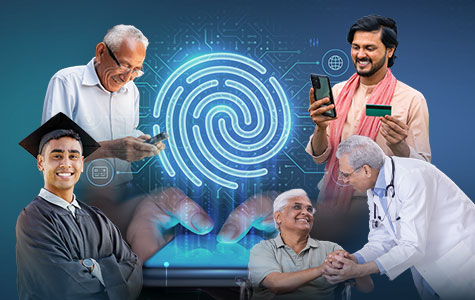
Our citizen-centric e-governance platforms are engineered to embed public services into the natural rhythm of civic life. Through unified digital backends, AI-powered automation and interoperable data systems, we enable governments to transition from reactive service delivery to predictive governance. This means processes like birth registration, property tax payments, or grievance redressal are no longer transactional events- they become automated, intuitive experiences.
What differentiates CSM is our ability to operationalize this vision at population scale. In projects such as Bhubaneswar Smart City Bihar Sharif Smart City, and AURIC we have integrated urban management systems that unify traffic control, civic services, and infrastructure monitoring into intelligent workflows. Our AI-driven conversational interfaces ensure 24/7 citizen engagement, eliminating the need for manual follow-ups while enhancing accessibility and inclusion.
The result is powerful yet invisible: faster service delivery, reduced administrative burden, enhanced transparency, and strengthened public trust. At CSM Technologies, we don’t just build GovTech solutions- we architect ecosystems where governance quietly works, so citizens can simply live.
.webp)
Why the Future of GovTech is Disappearing
Search intent around “digital government services,” “citizen experience,” and “GovTech trends” reveals one clear expectation: simplicity. Citizens don’t want more interfaces-they want fewer interruptions.
Invisible GovTech fulfills this by embedding governance into natural life moments. The success metric is no longer usage of portals, but the absence of friction.
The Final Paradox
The ultimate paradox of government digital transformation is this: the more advanced the system, the less visible it becomes. An invisible government is not absent- it is ambient.
It operates with precision, responds with intelligence, and delivers without demand.
And in that quiet efficiency lies the future of governance- one where the best systems are not seen, only felt.


Recent Publications



- Agriculture and Allied Services
- AgriTech
- Application Development
- Artificial Intelligence
- Blockchain
- COVID-19
- CSM Editorial
- Data Analytics
- Digital service
- Digital Transformation
- Education
- EduTech
- Emerging Technologies
- Enterprise Resource Planning
- Food Security
- Golden Records
- GovTech Solution
- Green Jobs
- Healthcare
- HR Analytics
- Hybrid Work Culture
- Independence Thought
- Industry 4.0
- Innovation
- IT Consulting
- Land & Industry
- Life@CSM
- Memory Lane
- Mines & Minerals
- Mining Technology
- Opinion Piece
- Precision Agriculture
- Smart City
- Social Listening
- Social Media
- Social Registry
- Super Apps
- Tourism
- User Experience
- Web 3.0
- Work Culture
















We will verify and publish your comment soon.