



















Trust is a scarce currency. Unlike money, it cannot be printed. Unlike data, it cannot simply be stored. It must be earned, protected, and constantly reinforced. In India's rapidly expanding digital ecosystem, where billions of transactions, authentications, and verifications take place every year, trust has become a critical infrastructure layer. And at the heart of this architecture lies a quiet but powerful innovation- the Aadhaar Vault.
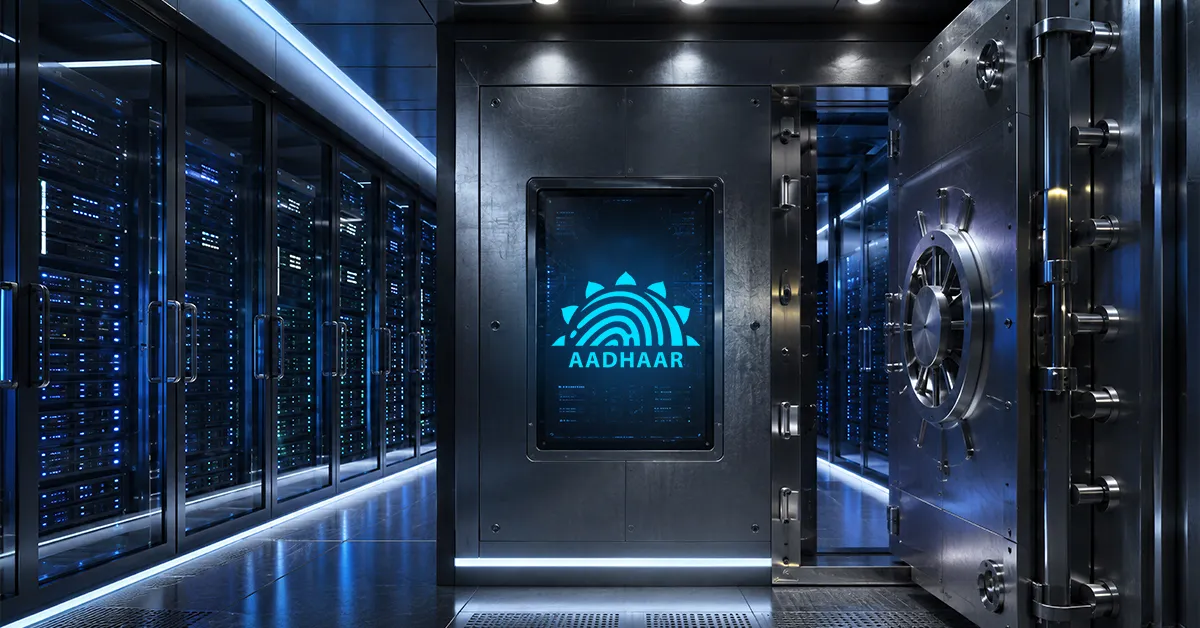
Think of modern organizations as bustling airports. Millions of pieces of information move through their systems every day. Traditionally, storing Aadhaar numbers across multiple databases was like scattering passengers' passports across several terminals and hoping nobody misplaced them. The Aadhaar Vault changes that equation entirely. It acts as a highly secure, access-controlled digital repository that centralizes and safeguards sensitive Aadhaar data while ensuring regulatory compliance with UIDAI mandates.
But the real story isn't just about technology. It's about what I call the Art of Trust Engineering.
Trust Is Not a Feature, It Is an Architecture.
Many organizations still view security as an add-on- a lock placed on a door after the building has already been constructed. Trust Engineering flips this mindset. It designs the building around the lock.
The Aadhaar Vault embodies this philosophy through a sophisticated blend of cryptography, access management, and zero-trust principles. Instead of storing actual Aadhaar numbers throughout operational systems, the vault uses tokenization, replacing the original number with a unique, non-sensitive Reference Key.
Imagine handing a valet a claim ticket instead of your car keys. The ticket is useless to everyone except the system authorized to retrieve the vehicle. Similarly, the Reference Key becomes the operational identifier while the actual Aadhaar number remains securely isolated inside the vault.
This dramatically reduces the risk of exposure, misuse, and unauthorized access.
The Unsung Hero: Tokenization
If trust were a kingdom, tokenization would be its invisible shield.
The Tokenization Manager encrypts Aadhaar numbers and generates random Reference Keys that can safely travel across enterprise systems. Employees, applications, and databases work with these tokens rather than the actual identifiers.
The brilliance lies in its simplicity. Even if a database is compromised, attackers gain access to meaningless tokens—not the real Aadhaar numbers.
In cybersecurity, reducing exposure is often more effective than building higher walls. The Aadhaar Vault understands this principle exceptionally well.
The Hardware Security Module: The Digital Vault Within the Vault
Every great fortress has a citadel.
In Aadhaar Vault architecture, that citadel is the Hardware Security Module (HSM). Often regarded as the gold standard of cryptographic security, an HSM is a tamper-resistant hardware device responsible for generating, storing, and managing encryption keys.

Unlike conventional software-based key management systems, cryptographic keys inside an HSM remain protected from operating systems, memory dumps, and insider threats. This creates an additional trust boundary that significantly strengthens Aadhaar data security.
Yet, organizations should not simply view HSM adoption as a compliance checkbox. Its true value lies in creating confidence—not only for regulators but also for citizens whose sensitive information fuels the digital economy.
The Power of Saying "No"
One of the most overlooked aspects of trust engineering is controlled denial.
The Aadhaar Vault's Granular API Access Control framework ensures that access to information is granted only on a strict need-to-know basis. Every request must pass through clearly defined APIs, authorization protocols, and validation mechanisms.
In essence, the system assumes nobody should be trusted automatically.
This reflects the growing relevance of Zero Trust Security, where verification is continuous and access is contextual rather than implicit. In a world increasingly vulnerable to insider threats, compromised credentials, and sophisticated attacks, this philosophy is no longer optional—it is essential.
The Challenge Organizations Often Ignore
While the Aadhaar Vault significantly strengthens cybersecurity and compliance, implementation itself demands maturity.
Many organizations underestimate the complexity of migrating legacy Aadhaar databases. The Bulk Transformation Utility enables organizations to securely convert historical Aadhaar records into Reference Keys, but successful deployment requires governance, process discipline, and continuous monitoring.
Technology alone cannot create trust.
A poorly managed access policy can weaken even the strongest vault. Similarly, weak organizational security culture can undermine world-class infrastructure. In other words, trust engineering is not merely about what technology does—it is about how responsibly humans use it.
CSM’s Blueprint for Secure Digital Identity
In today's data-driven economy, trust is no longer an abstract value- it is a measurable business and governance imperative. At CSM Technologies, we believe that protecting digital identity requires more than compliance; it demands a sophisticated framework of Trust Engineering that embeds security, privacy, and accountability into the very foundation of digital operations.
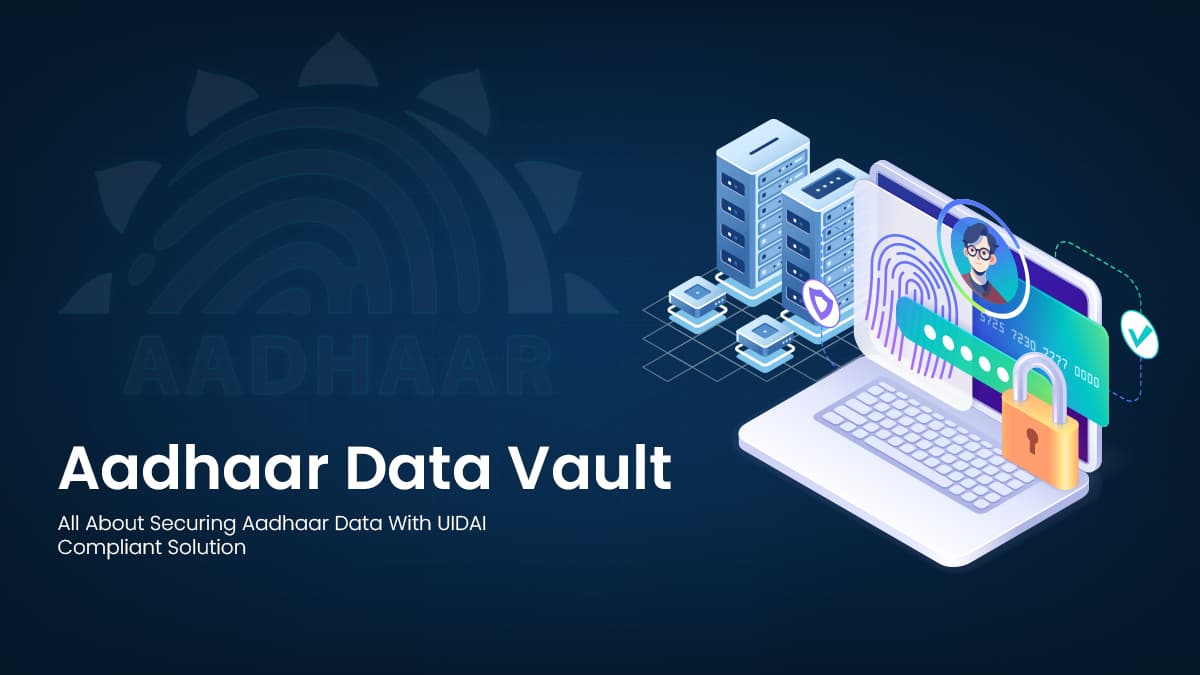
Our Aadhaar Data Vault (ADV) is designed as a UIDAI-compliant, enterprise-grade security ecosystem that transforms how organizations manage sensitive Aadhaar information. Instead of allowing Aadhaar numbers to reside across multiple applications and databases, CSM’s solution employs advanced tokenization to replace raw Aadhaar data with unique, non-reversible Reference Keys. This creates a Zero-Exposure Architecture, ensuring that operational systems never handle sensitive identifiers directly.
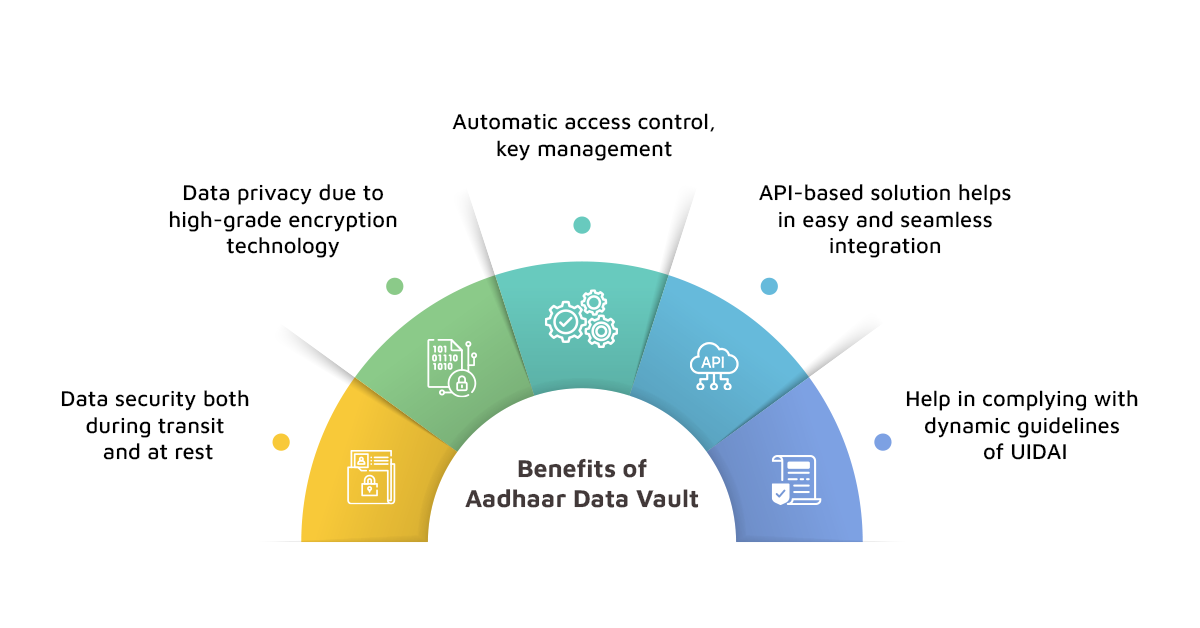
What truly sets CSM apart is our hardware-rooted approach to security. Leveraging FIPS 140-2/3-certified Hardware Security Modules (HSMs) and robust encryption standards such as AES-256 and RSA-2048, we provide an unassailable cryptographic foundation that safeguards citizen data against emerging cyber threats.
Beyond security, CSM’s Aadhaar Data Vault delivers seamless business continuity through API-driven integration, enabling organizations to continue e-KYC, authentication, and identity verification workflows without disrupting existing applications. Coupled with role-based access controls, IP whitelisting, immutable audit trails, and real-time monitoring, the solution ensures complete traceability, non-repudiation, and audit readiness.
Much like a structural truss distributes load to create strength and stability, CSM’s Trust Engineering framework creates a resilient architecture where every layer reinforces security, compliance, and operational efficiency.
With CSM’s Aadhaar Data Vault, organizations gain more than regulatory compliance—they acquire a future-ready digital trust infrastructure that protects citizen identities, minimizes breach risks, accelerates digital transformation, and strengthens public confidence in every interaction.
The Future of Digital Trust
As India accelerates toward AI-driven governance, Digital Public Infrastructure (DPI), and citizen-centric services, safeguarding identity will become even more important.
The Aadhaar Vault represents more than a security mechanism. It is a blueprint for the future of privacy-by-design, data protection, secure digital identity management, and compliance-driven innovation.
Tomorrow's most successful organizations will not compete solely on products, speed, or scale. They will compete on trust.
Call to Action
If your organization handles Aadhaar data, the question is no longer whether you need stronger protection. The question is whether your current systems deserve the trust your customers place in them every day.
Adopting an Aadhaar Vault is not just a regulatory requirement—it is a strategic investment in cyber resilience, customer confidence, and long-term digital credibility.
The future belongs to organizations that engineer trust before they scale trust. And in that future, the Aadhaar Vault may well be remembered as one of the most important foundations of India's secure digital economy.


Recent Publications



- Agriculture and Allied Services
- AgriTech
- Application Development
- Artificial Intelligence
- Blockchain
- COVID-19
- CSM Editorial
- Data Analytics
- Digital service
- Digital Transformation
- Education
- EduTech
- Emerging Technologies
- Enterprise Resource Planning
- Food Security
- Golden Records
- GovTech Solution
- Green Jobs
- Healthcare
- HR Analytics
- Hybrid Work Culture
- Independence Thought
- Industry 4.0
- Innovation
- IT Consulting
- Land & Industry
- Life@CSM
- Memory Lane
- Mines & Minerals
- Mining Technology
- Opinion Piece
- Precision Agriculture
- Smart City
- Social Listening
- Social Media
- Social Registry
- Super Apps
- Tourism
- User Experience
- Web 3.0
- Work Culture

















We will verify and publish your comment soon.